

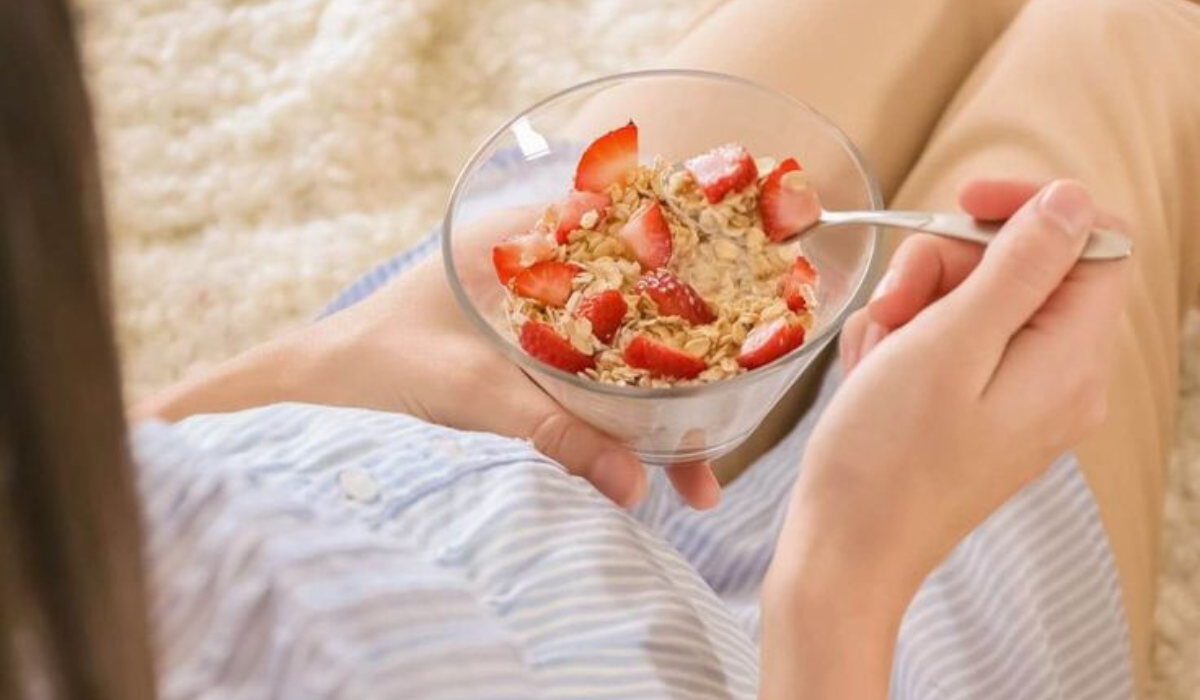
There’s something about pregnancy that makes you question everything you put on your plate. One minute you’re fine with your usual breakfast, the next you’re googling it at midnight wondering if it’s actually okay. Oatmeal or porridge, if you’re in the UK, is one of those foods that comes up again and again. So let’s settle it properly: is oatmeal safe during pregnancy, and is it actually worth eating regularly?
Short answer: yes. Longer answer: it depends a little on how you eat it, how much, and what you’re pairing it with. This guide covers all of that, along with the questions pregnant women ask most often about oats, oat milk, and overnight oats.
Is Oatmeal Safe to Eat During Pregnancy?
Oatmeal is one of the safer, more sensible breakfast choices you can make while pregnant. It’s a whole grain, it’s minimally processed, and it doesn’t come with the kind of warnings attached to raw eggs, unpasteurised soft cheese, or high-mercury fish. Midwives and dietitians recommend it fairly often, and there’s a good reason for that.
Unlike some pregnancy food debates that go back and forth, oats aren’t really controversial. There’s no research suggesting oatmeal in pregnancy carries any specific risk. If anything, most of the conversation around oats and pregnancy is about the benefits, not the concerns.
That said, “safe” doesn’t mean you should eat an enormous bowl every single day and call it balanced nutrition. Like most things, portion and preparation matter more on that below.
What Makes Oats Worth Eating During Pregnancy
Pregnancy changes what your body needs nutritionally, and oats happen to line up with quite a few of those changing needs.
Fibre. This is probably the biggest one. Constipation is a genuinely common complaint during pregnancy hormones slow digestion down, and later on, the growing uterus doesn’t help either. Oats contain a soluble fibre called beta-glucan, and a lot of women notice a real difference in digestion once oatmeal during pregnancy becomes part of their regular routine.
Steady energy. Oats digest slowly compared to something like sugary cereal or white toast, which means your blood sugar doesn’t spike and then crash an hour later. If you’ve ever eaten a sweet breakfast and been ravenous again by 10am, you know exactly what that crash feels like. Oats tend to keep you fuller for longer.
Iron. Pregnancy roughly doubles your iron needs. Oats aren’t the richest source out there red meat and leafy greens beat them easily but they still contribute a decent amount, and pairing them with something high in vitamin C (orange slices, strawberries) helps your body absorb it better.
Protein and B vitamins. Not a huge amount, but oats do offer some plant protein along with B vitamins like thiamine, which supports overall energy metabolism during a time when your body is working overtime.
Cholesterol support. Cholesterol naturally rises during pregnancy as part of normal hormonal shifts. Soluble fibre, the kind found in oats, has been linked to healthier cholesterol balance, which doesn’t hurt.
Oatmeal Through Each Trimester
It’s worth noting that oats can serve slightly different purposes depending on where you are in pregnancy.
Early on, when nausea is at its worst, plain warm oatmeal tends to be gentle on the stomach. It’s bland in a good way nothing too rich or greasy that might turn your stomach. A little ginger stirred in can help too if morning sickness is an issue.
By the second trimester, energy levels usually pick back up, and this is where the slow-release carbs in oats really earn their keep, helping you avoid that mid-morning slump.
In the third trimester, constipation and heartburn tend to make a comeback. The fibre helps with the former, and keeping toppings simple (skip the citrus and heavy spice if heartburn’s an issue) makes oats one of the easier breakfasts to tolerate.
Can You Eat Oatmeal Every Day While Pregnant?
Yes, for most women, daily oatmeal is completely fine. There’s no rule saying you need to limit it to a certain number of days per week. That said, variety still matters if oats are the only thing you eat morning after morning, you’re missing out on nutrients that come from other foods, like eggs or fruit.
A typical serving is around 40-50g of dry oats, roughly half a cup. Go well beyond that regularly and you might just end up bloated, simply because that’s a lot of fibre for your gut to process at once, especially if fibre hasn’t historically been a big part of your diet.
Is Oat Milk Good During Pregnancy?
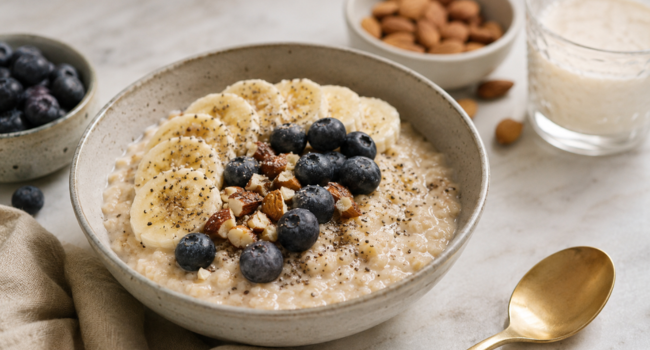
Oat milk pregnant women often ask about this one, especially if they’re vegan, lactose intolerant, or just don’t love regular dairy. And yes oat milk during pregnancy is generally a safe choice.
A couple of things worth checking before you stock up:
Look at whether it’s fortified. Plain oat milk doesn’t naturally have much calcium or B12, so a fortified version is the smarter pick if it’s replacing dairy in your diet regularly.
Check the sugar content too. Some flavoured versions sneak in more sugar than you’d expect. Unsweetened is usually the safer default.
And don’t treat oat milk as your entire dairy replacement round things out with other calcium sources like leafy greens or tofu if it’s your main “milk” of choice.
Overnight Oats While Pregnant Safe or Not?
Overnight oats for pregnant women come up a lot, mostly because they’re so convenient. No cooking, no morning rush, just grab it from the fridge. The question people usually have is whether “raw” oats soaked overnight pose any risk.
Here’s the thing rolled oats used for overnight oats have already been steamed during processing, so they’re not truly raw in the food-safety sense. The main things to actually pay attention to are:
Use pasteurised milk or a safe plant-based alternative never raw or unpasteurised dairy.
Keep them refrigerated and eat within a day or two, not left sitting on the counter.
Wash any fresh fruit toppings properly before adding them in.
Follow those basics and oats overnight pregnancy safe is really a non-issue.
Different Types of Oats, Explained
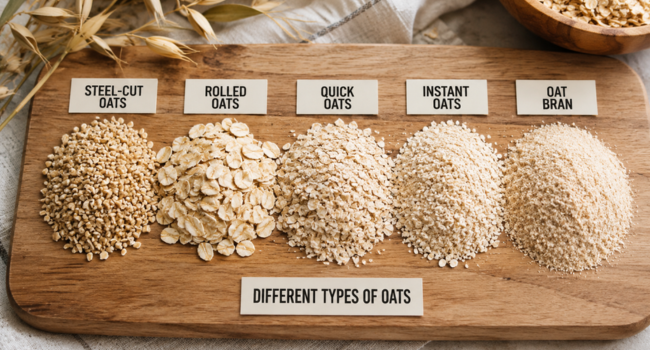
Not all oats are the same, and the type you buy affects both texture and how quickly it digests.
Steel-cut oats are the least processed just chopped oat groats. They take the longest to cook (20-30 minutes) and have a chewier bite, along with a slightly gentler effect on blood sugar.
Rolled oats, sometimes labelled “porridge oats” in UK shops, are steamed and flattened. They cook in 5-10 minutes and are the most common choice for both stovetop porridge and overnight oats.
Instant oats are pre-cooked and rolled even thinner, so they’re ready in a minute or two. Convenient, sure, but the flavoured sachets often carry more sugar and salt than you’d think. Plain instant oats with your own toppings is the better route.
Oat bran is just the outer layer of the grain on its own very high in fibre, and easy to stir into smoothies or baked goods if you want an extra boost.
All of these count as safe oat during pregnancy options. It really comes down to how much time you have and what texture you prefer.
How Oats Stack Up Against Other Breakfasts
Compared to a sugary cereal, oatmeal wins on almost every front more fibre, gentler on blood sugar, more staying power. Compared to plain toast or pastries, oats give you more sustained energy and a better overall nutrient mix. Eggs alone bring more protein but less fibre, which is exactly why oatmeal with a side of eggs tends to be such a well-rounded pregnancy breakfast.
None of this means oats have to be on repeat every day. Rotating oatmeal for pregnant women in with other nutritious breakfasts just keeps things from getting repetitive while still capturing the benefits.
A Few Simple Ways to Eat It
- Classic warm porridge made with milk (or a fortified plant-based option), topped with banana and cinnamon
- Overnight oats with chia seeds, Greek yoghurt, and a handful of berries
- Savoury oats with a soft-boiled egg and wilted spinach, if sweet isn’t appealing that day
- A quick oat smoothie, blended with milk and fruit, which can go down easier during nausea
- Baked oatmeal with apple and a pinch of nutmeg, made in a batch for busy mornings
Worth Being Careful About
A short list of things to keep in mind, none of them dealbreakers:
Go easy on added sugar or syrup, particularly if gestational diabetes is something you’re managing.
Flavoured instant oat packets can carry more sodium and sugar than expected check the label.
If you have coeliac disease or a diagnosed gluten sensitivity, choose oats specifically labelled gluten-free, since regular oats can be cross-contaminated with wheat during processing.
If a high-fibre diet is new for you, ease into it gradually rather than going all-in overnight your gut will thank you.
If you’re managing a specific condition like gestational diabetes, it’s worth a quick chat with your midwife or GP about how oats fit into your overall meal plan.
It’s also worth mentioning portion creep, which happens more easily than people expect. A “bowl” of oats can quietly grow from a reasonable half-cup serving to something closer to double that, especially once you start adding nut butter, dried fruit, granola, and a drizzle of honey on top. None of those additions are problems on their own, but stacked together daily, the calories and sugar add up faster than the plain oats themselves ever would. Keeping half an eye on portions, without obsessing over it, is usually enough.
Common Things People Get Wrong About Oats in Pregnancy
“Oatmeal can bring on labour.” There’s no evidence for this at all. It’s likely a mix-up with other, unrelated old wives’ tales about food and labour.
“Avoid oats if you have gestational diabetes.” Actually the reverse tends to be true plain oats, thanks to their low glycaemic index, are often recommended specifically for women managing gestational diabetes. Just watch the toppings and portion size.
“All oat products are healthy by default.” Not quite. Oat-based granola bars, sweetened oat milk, and flavoured instant packets can sneak in a fair bit of sugar. The word “oats” on a label doesn’t automatically mean low sugar or minimal processing.
Rolled Oats and Women’s Health More Broadly
Rolled oats benefits for female health go well beyond pregnancy, honestly. Oats have been linked to hormonal balance and digestive health at pretty much every life stage — the teenage years, pregnancy, and later on through menopause too. The fibre supports gut health, and there’s growing understanding of how gut health ties into hormone regulation more broadly. So building an oats habit during pregnancy is one that can genuinely carry forward well past the nine months.
What a Typical Oats Day Might Actually Look Like
It helps to think about this practically rather than in the abstract. Say you’re in your second trimester and mornings are rushed. A bowl of overnight oats — prepped the night before with milk, chia seeds, and whatever fruit is in the fridge — means breakfast is basically done before you’ve even had your first proper coffee-free morning stretch. On a slower weekend, that might turn into a stovetop bowl with warm milk, a spoon of nut butter, and sliced banana, eaten while you actually sit down for once.
If nausea’s still around in the first trimester, plain oats with barely any toppings, maybe just a touch of honey or cinnamon, tend to go down easier than something heavier. And by the third trimester, when heartburn tends to flare, a simpler bowl skipping citrus, skipping too much spice usually sits better than anything rich or greasy.
None of this needs to be complicated. The point of oats isn’t that there’s one “correct” way to eat them during pregnancy, it’s that they’re flexible enough to adjust to however you’re feeling on a given day, which is honestly one of the more underrated things about them.
Oats and Weight Gain During Pregnancy
A question that doesn’t always get asked directly, but sits underneath a lot of these searches, is whether oats might contribute to excess weight gain. In reality, oats tend to work in the opposite direction. Because they’re high in fibre and digest slowly, they help with satiety meaning you’re less likely to reach for something less nutritious an hour later out of hunger. Healthy, gradual weight gain during pregnancy is normal and expected, and a food like oatmeal, eaten in a reasonable portion, supports that rather than working against it. The concern really only comes into play if oats are drowned in sugar, syrup, or paired with large amounts of high-calorie toppings on a daily basis.
Frequently Asked Questions
Can pregnant women eat oatmeal?
Yes. It’s considered a safe, nutritious choice throughout pregnancy, offering fibre, slow-release energy, iron, and B vitamins.
Is oatmeal good for pregnancy nausea?
Many women find plain, warm oatmeal easy on the stomach during first-trimester nausea. A touch of ginger can help even more.
How much oatmeal can I eat per day while pregnant?
Around 40-50g of dry oats per serving is a sensible amount, and daily oats are fine as part of a varied diet.
Is oat milk good for pregnancy?
Yes, generally. Go for a fortified, unsweetened version where you can, to make sure you’re still getting enough calcium and B12.
Are overnight oats safe during pregnancy?
Yes, as long as you use pasteurised milk, refrigerate them properly, and eat within a day or two.
Can oatmeal help with pregnancy constipation?
Yes. The soluble fibre supports regular digestion, especially when paired with enough water throughout the day.
Is it safe to eat oats every trimester?
Yes, and how you eat them can simply adapt as your tastes and symptoms change trimester by trimester.
Does oatmeal raise blood sugar during pregnancy?
Not particularly plain oats have a low glycaemic index. It’s the added sugar or syrup that can undo that benefit, so keep toppings simple.
Is porridge the same as oatmeal?
Yes, just different names for the same thing. “Porridge” is the more common British term, “oatmeal” the American one. Nutritionally, they’re identical.
The Bottom Line
Oatmeal when pregnant is, for most women, one of the easier nutritional wins in a day full of decisions about what’s safe and what isn’t. Whether it’s a warm bowl on the stove, prepped overnight, or blended into a smoothie when nothing else sounds appealing, oats bring fibre, steady energy, and a handful of genuinely useful nutrients to the table.
As always, individual circumstances vary, so if you have gestational diabetes, coeliac disease, or any other condition that affects your diet, it’s worth a quick conversation with your midwife, GP, or a registered dietitian about where oats fit in for you specifically.

Dr. Tania Adib is a Board Certified OB/GYN based in the northern suburbs of Chicago. She earned her undergraduate degree from the University of Notre Dame and her medical degree from Georgetown University in Washington, D.C., before completing her residency in Obstetrics and Gynecology at Magee-Womens Hospital, University of Pittsburgh Medical Center. Her clinical interests include full-spectrum obstetrics and gynecology, from the first period through the menopausal years, contraception, and abnormal bleeding.