

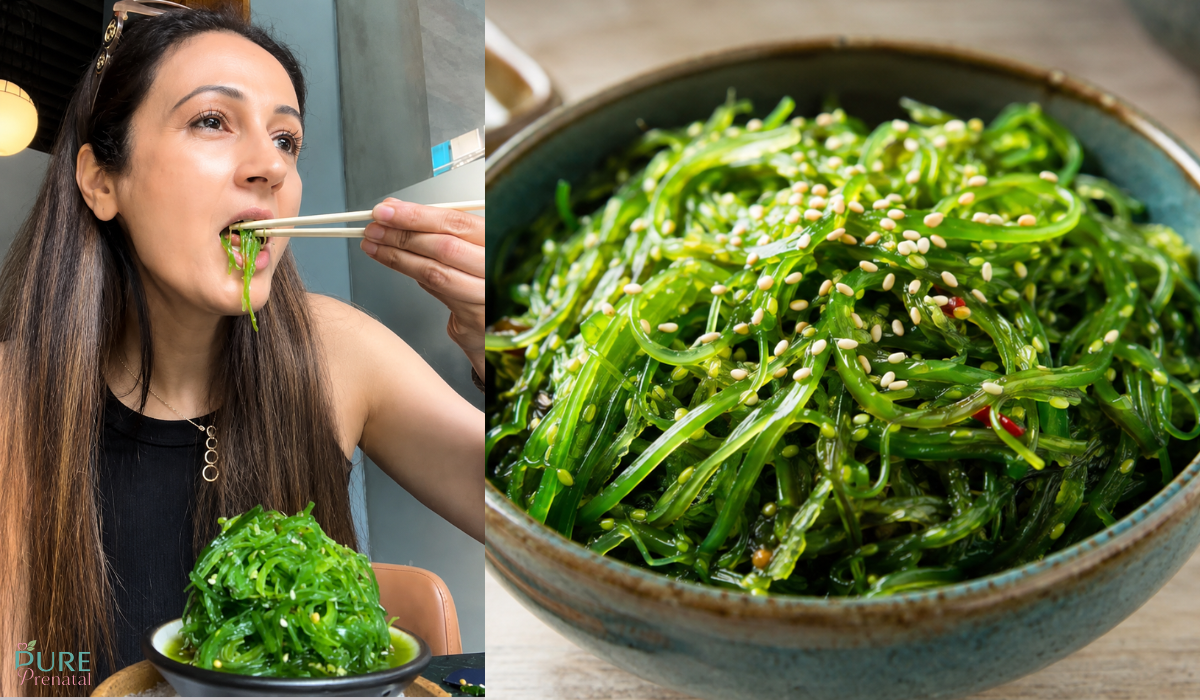
So you’re mid-sushi-craving, or you just made a bowl of miso soup and stopped halfway through, spoon in hand, wondering if this was actually a good idea. Can I eat seaweed while pregnant? Fair question — and one that doesn’t get a very satisfying answer most places online.
Here’s the real answer: yes, you can eat seaweed during pregnancy. But (and this is the bit most articles skip over) not all seaweed is the same, and how much you eat matters more than whether you eat it at all. The reason basically comes down to one nutrient — iodine. Seaweed is one of the richest natural sources of it around, and while your body genuinely needs more iodine than usual right now, there’s a point where more stops being better.
Let’s actually get into it.
Is Seaweed Safe During Pregnancy?
Mostly, yes. Whether you’re googling “is it safe to eat seaweed while pregnant” at 11pm or asking your midwife at your next check-up, you’ll usually get the same answer: moderate amounts are fine, and honestly, seaweed is a genuinely good thing to have in your diet right now, not just a tolerated one.
Two things decide whether a specific dish is a smart choice for you:
- How much iodine it’s likely to contain (and this swings a lot depending on type)
- Where it came from and how it was made
Get a handle on those two, and the rest kind of falls into place.
Why Seaweed Is Actually Worth Eating While Pregnant
Before the cautionary stuff — it’s worth saying plainly that seaweed for pregnant women isn’t just “allowed,” it’s genuinely good for you.
Iodine is the big one, obviously. Your thyroid uses it to make hormones that control your metabolism, and right now, your baby is relying on those same hormones for brain and nervous system development — especially in the first trimester, before their own thyroid is even working yet. Low iodine during pregnancy has been tied to developmental issues, so this isn’t something you’d want to cut out completely, even if the goal is caution.
Seaweed also brings folate along, which helps your baby’s neural tube develop properly early on. There’s iron too, useful given how much your blood volume increases during pregnancy, plus calcium for bone development and, in some varieties, omega-3s that support your baby’s brain and eyes. Add a handful of antioxidants and vitamins A, C, E, and K into the mix, and you start to see why seaweed keeps popping up on every “pregnancy superfood” list going.
So is seaweed good for pregnancy? Is it healthy for pregnancy? Genuinely, yes. The nuance is really just in how much and which kind — not whether.
The Iodine Thing, Properly Explained
If you only remember one idea from this whole page, make it this one: seaweed and pregnancy is really a story about getting iodine right — not too little, not too much.
During pregnancy your recommended daily iodine intake goes up to somewhere around 220–250 micrograms, compared to roughly 150 beforehand. Makes sense, your thyroid’s doing extra work.
Here’s where it gets messier though. Iodine content in seaweed varies wildly by species — some types have as little as 16 micrograms per gram, others climb past 2,000. Which means one serving of certain brown seaweeds can blow straight past your whole day’s requirement, and in some cases even the upper safety limit, which sits around 1,100 micrograms a day.
Too much iodine can mess with thyroid function for both you and your baby — goitre, or in more serious, sustained cases, congenital hypothyroidism in a newborn. Too little carries its own risks for cognitive development. Neither extreme is great, honestly, which is exactly why “eat it, don’t overdo it” is the real takeaway — not “avoid seaweed.”
Not All Seaweed Is the Same
Probably the most useful section here, if you’re only going to skim one part.
Nori: those thin dark sheets wrapped around sushi — is a red seaweed and, compared to its brown relatives, fairly low in iodine. Makes it one of the more forgiving choices even if you’re eating it a few times a week.
Wakame: the green-brown seaweed in your miso soup or seaweed salad, sits somewhere in the middle. Fine in reasonable amounts. Not something you’d want piled high on your plate daily, but not something to fear either.
Kombu and kelp: are the ones to actually watch. Brown seaweeds, the most iodine-dense by a wide margin — even a small serving adds up fast. And they hide in places you wouldn’t expect, like broths and stocks, often without a clear label.
Hijiki: gets its own warning, honestly. A few health authorities specifically advise against it during pregnancy, and it’s not only about iodine — hijiki tends to accumulate inorganic arsenic at higher levels than other seaweed types. Given the potential risks to fetal development, this one’s better off skipped entirely for now.
Dulse: A red seaweed with a slightly smoky, almost bacon-ish flavour, sits on the more moderate end and is generally fine now and then.
Then there’s spirulina and chlorella — technically algae, not seaweed, usually sold as powders or supplements. Quality control varies a lot between brands, so I’d treat this as its own conversation with your doctor rather than assuming the same rules apply.
So How Much Can You Actually Eat?
This is really the question hiding underneath “can pregnant women eat seaweed” — not is it allowed, but how much won’t cause a problem.
A rough guide most nutrition sources land on:
- Kombu, kelp (brown seaweed): roughly once a week, small serving
- Nori and other lower-iodine types: a few times a week is usually fine
- Wakame in soup or salad: a couple times a week, normal portions
- Hijiki: skip it
A “serving” here means something modest — a few nori sheets, a small bowl of miso soup, a side of seaweed salad. Not a big bowl eaten every single day. And if your prenatal vitamin already has iodine in it (a lot do), factor that into your total rather than treating food and supplements as separate columns.
Genuinely unsure whether something fits? Just ask. Your midwife or a dietitian can give you a straight answer, especially if there’s a thyroid condition in the picture — that changes things quite a bit.
What About Seaweed Salad, Specifically?
This one comes up constantly, so it gets its own section. Can I eat seaweed salad while pregnant? Generally yes, with a few things worth knowing before you order it.
- Go for seaweed that’s been cooked or properly processed rather than anything raw-looking or of unclear origin. Most restaurant seaweed salad is blanched before it’s dressed, which cuts the bacterial risk down a lot.
- Check what else is mixed in. Sesame oil, vinegar, sugar — none of that’s an issue. But some versions sneak in raw fish or other ingredients worth double-checking, so a quick glance at the menu doesn’t hurt.
- Pick places with decent hygiene standards, basically. Honestly, with most pregnancy food questions, the actual risk isn’t the ingredient itself — it’s a kitchen that isn’t careful.
- Keep the portion sensible. A small side dish once or twice a week is a completely different story to a full bowl daily.
So, seaweed salad while pregnant, or is seaweed salad safe during pregnancy — yes, same moderation rules as everything else on this page.
The Risks, Without the Drama
Seaweed’s got real upside, but pretending there’s zero downside wouldn’t be honest either.
Too much iodine is the headline risk — covered that above already, it’s the thing actually worth paying attention to, especially with kelp or kombu.
Heavy metals are a smaller but real concern. Seaweed grows in ocean water and absorbs whatever’s around it, arsenic included. Hijiki’s the main offender here, but it’s theoretically possible with any seaweed pulled from contaminated water. Sticking with reputable, tested brands cuts this risk down a lot.
Allergic reactions aren’t common but they do happen — skin irritation, digestive upset, occasionally something respiratory in sensitive people. If seaweed’s new to you, try a small amount first rather than going all in on a big serving right away.
Digestive discomfort can show up too, simply because seaweed’s high in fibre. Nothing dangerous, just uncomfortable if your gut isn’t used to it and you eat a lot in one go.
None of this means seaweed’s off-limits, to be clear. It just means the usual pregnancy rule applies here too — moderation, decent sourcing, a bit of common sense.
Worth mentioning too — most of these risks are dose-dependent, meaning they’re really only a concern with frequent, heavy consumption rather than the occasional serving. A sushi dinner once a week, or a bowl of seaweed soup here and there, isn’t the same conversation as eating seaweed-heavy meals daily. Context matters, and it’s easy to lose that nuance when reading pregnancy food warnings online, where everything can start to sound scarier than it actually is.
Quick, Practical Tips
- Lean on nori for everyday snacking or sushi — it’s the more forgiving pick
- Treat kombu and kelp as occasional, not a daily habit
- Skip hijiki, full stop
- Buy from brands that actually test for contaminants, not anything unbranded or vague about sourcing
- When in doubt, cooked beats raw
- Watch for seaweed hiding in broths, stocks, seasoning mixes
- Count your prenatal vitamin’s iodine into your daily total, don’t treat it separately
- Ease in gradually if seaweed’s new to you
- Got a thyroid condition? Talk to your doctor before making it a regular thing
When It’s Probably Best to Skip It
A few situations where extra caution makes sense:
- A pre-existing thyroid condition — hyperthyroidism, hypothyroidism, Hashimoto’s, Graves’, any of these shift your iodine tolerance
- Already taking an iodine supplement on top of a prenatal vitamin
- Not sure where the seaweed came from or how it was prepared
- A known seaweed or iodine allergy
In any of these cases, a quick chat with your doctor or midwife before making seaweed a regular thing is worth it — not because it’s automatically dangerous, but because your situation might need different limits than the general guidance above. Bringing it up doesn’t need to be a big production, either; it’s the kind of thing that fits naturally into a routine prenatal check-up alongside everything else you’re already discussing.
Easy Ways to Actually Add It to Your Diet
If seaweed’s new territory for you, you don’t need to overhaul your meals to work it in. A few torn-up nori sheets in a rice bowl barely changes the flavour of anything and takes about ten seconds. Miso soup with a small handful of wakame is another easy one — warm, comforting, and the portion naturally stays small because it’s mixed into broth rather than eaten straight.
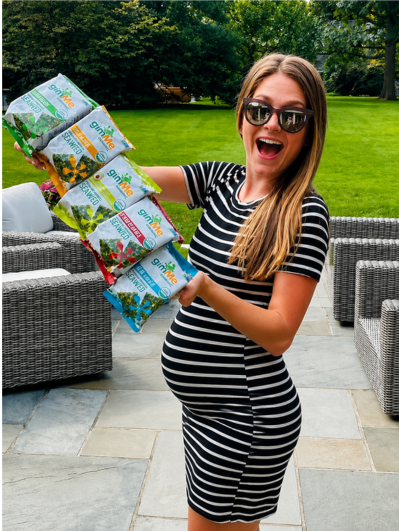
Seaweed flakes or furikake (usually nori, sesame, sometimes bonito) sprinkled over rice, eggs, or roasted veg adds flavour without needing a whole separate dish. If you’re into Korean food, gim — roasted, seasoned seaweed sheets — is another low-iodine option that works well as a light snack.
For something different, try a small wakame cucumber salad — thin cucumber slices, rehydrated wakame, a splash of rice vinegar. Refreshing in warmer months, and portions stay naturally in check since it’s usually a side, not a main.
The general idea, really, is letting seaweed be a small flavourful part of a varied diet rather than a daily staple eaten in big amounts. Do that and your iodine intake stays reasonable without you needing to count micrograms every time you sit down to eat.
Frequently Asked Questions
Is it safe to eat seaweed during pregnancy every day? Not really recommended, especially with higher-iodine types like kombu or kelp — daily eating can push iodine past safe levels faster than you’d think. Lower-iodine nori is more forgiving in small daily amounts, but mixing things up is still the safer bet.
Can pregnant women eat seaweed snacks like roasted nori sheets? Yes — roasted nori snacks are typically low in iodine compared to brown seaweed, so a pack here and there fits comfortably into a normal pregnancy diet. Worth a glance at the sodium on the label though, some brands season them pretty heavily.
Is dried seaweed safe for pregnancy? It’s fine in moderation, but drying concentrates nutrients — iodine included — so a small handful of dried seaweed packs more punch than the same weight fresh. Stick to modest portions, and lean toward the lower-iodine types when you can.
Is green seaweed safe during pregnancy? Generally, yes. Green seaweed tends to run lower in iodine than the brown varieties, making it one of the comparatively safer picks. Sourcing still matters just as much as colour, worth remembering.
What happens if I accidentally eat too much seaweed while pregnant? One bigger-than-usual portion probably isn’t going to cause harm on its own — your body handles iodine more as a rolling average over several days than something needing to be exact daily. If it happens a lot, or you’re worried, just mention it at your next appointment.
Can I eat seaweed while pregnant if I have low iodine levels? If you’ve actually been diagnosed with a deficiency, seaweed can genuinely help — but the type and amount is really something your doctor should be guiding, since your needs might not match the general recommendations here.
Is seaweed soup safe during pregnancy? In normal serving sizes, yes. Just know that eating it daily, especially the iodine-heavy versions, adds up faster than people expect. Same rule as everything else on this page — moderation.
Can pregnant women have seaweed supplements like spirulina? That’s a different category from culinary seaweed, and quality and dosing vary a lot between brands. Best to check with your doctor before adding any algae-based supplement to your routine.
Is seaweed safe in every trimester, or does it matter when I eat it? No specific trimester where it suddenly becomes off-limits, but the first trimester is when iodine matters most for early brain development, so it’s a reasonable time to be a bit more deliberate about getting enough — without going overboard on the high-iodine types. Same moderation guidance carries right through to the third trimester and beyond.
Bottom Line
Can I eat seaweed while pregnant? For most people, yes — and honestly, it’s a solid addition to your diet if you go about it sensibly. Keep the iodine math somewhere in the back of your mind, lean on nori and lower-iodine types for regular eating, treat kelp and kombu as occasional extras, and steer clear of hijiki. Beyond that, it really comes down to your own health history — thyroid condition, iodine supplements, whatever your situation is — so loop your midwife or doctor in if any of that applies to you, and let the guidance fit you specifically rather than just the general population.

Dr. Tania Adib is a Board Certified OB/GYN based in the northern suburbs of Chicago. She earned her undergraduate degree from the University of Notre Dame and her medical degree from Georgetown University in Washington, D.C., before completing her residency in Obstetrics and Gynecology at Magee-Womens Hospital, University of Pittsburgh Medical Center. Her clinical interests include full-spectrum obstetrics and gynecology, from the first period through the menopausal years, contraception, and abnormal bleeding.