
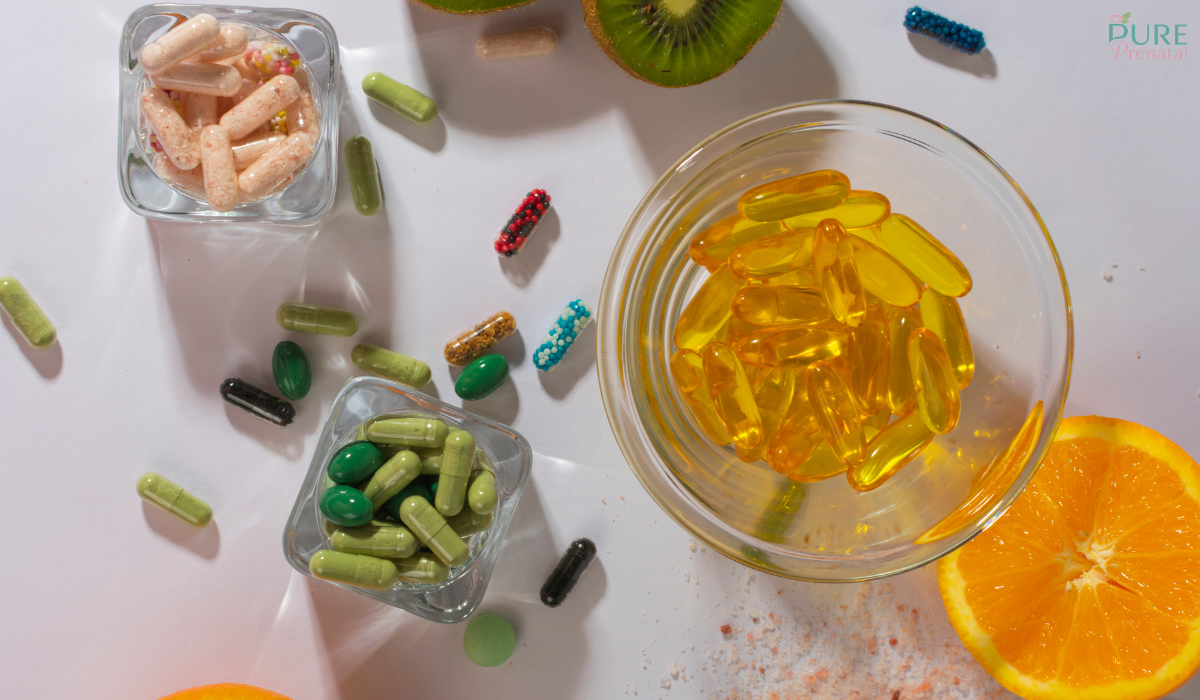
Pregnancy is one of the most exciting milestones in life, but it also brings new nutritional needs. During the first trimester, your baby’s brain, spinal cord, heart, and other major organs begin developing rapidly. Because of this, getting enough essential nutrients is more important than ever. While eating a balanced diet is the foundation of a healthy pregnancy, many healthcare professionals recommend prenatal vitamins to help fill nutritional gaps.
If you’re wondering what is the best prenatal vitamins, the answer isn’t the same for everyone. The best prenatal vitamin depends on your diet, health history, medical conditions, and your healthcare provider’s recommendations.
This expert guide explains what to look for in a prenatal vitamin, why each nutrient matters during the first trimester, and reviews eight of the most commonly recommended types of prenatal vitamins based on their nutritional profile—not brand marketing.
Why Are Prenatal Vitamins Important During the First Trimester?
The first trimester is one of the most critical stages of pregnancy. During these first 12 weeks, your baby’s neural tube develops into the brain and spinal cord. Essential organs also begin forming.
Even if you eat healthy meals every day, pregnancy increases your body’s need for several nutrients, including:
- Folic acid or methylfolate
- Iron
- Iodine
- Vitamin D
- Calcium
- Choline
- DHA (Omega-3 fatty acids)
Prenatal vitamins help ensure these nutrients are available when dietary intake alone may not be enough.
What Makes the Best Prenatal Vitamin?
Not all prenatal vitamins contain the same ingredients or nutrient amounts. Before choosing one, check whether it provides the nutrients recommended during pregnancy.
| Nutrient | Why It Matters | Recommended During Pregnancy* |
|---|---|---|
| Folic Acid / Methylfolate | Supports neural tube development | 400–800 mcg |
| Iron | Helps prevent iron deficiency anemia | 27 mg |
| Iodine | Supports baby’s brain and thyroid development | 220 mcg |
| Vitamin D | Supports bone and immune health | 600 IU (15 mcg) |
| Calcium | Builds baby’s bones and teeth | 1,000 mg (from diet + supplements) |
| Choline | Supports fetal brain development | 450 mg |
| DHA | Supports brain and eye development | Around 200–300 mg |
*General recommendations may vary depending on individual health needs.
8 Best Prenatal Vitamins for First Trimester in 2026
1. Prenatal Vitamins with Folic Acid
These remain one of the most commonly recommended prenatal supplements.
Best for:
- Early pregnancy
- Neural tube development
- Women planning pregnancy
Advantages:
- Well researched
- Widely available
- Helps reduce the risk of neural tube defects when taken before and during early pregnancy
2. Prenatal Vitamins with Methylfolate
Some prenatal vitamins use methylfolate instead of folic acid.
Best for:
- Women who prefer active folate forms
- Those advised by their healthcare provider
Potential benefits include:
- Active form of folate
- Supports healthy fetal development
- Suitable for many women who prefer methylated nutrients
3. Prenatal Vitamins with DHA
DHA is an omega-3 fatty acid important for fetal brain and eye development.
Best for:
- Supporting baby’s neurological development
- Mothers who eat little seafood
Benefits:
- Brain development support
- Eye development support
- May reduce dietary DHA gaps
4. Prenatal Vitamins with Iron
Iron requirements increase significantly during pregnancy.
These prenatal vitamins are ideal for women whose healthcare provider recommends additional iron intake.
Benefits include:
- Supports healthy red blood cell production
- Helps transport oxygen
- Reduces the risk of iron deficiency
Women experiencing constipation or stomach upset from iron should discuss alternatives with their healthcare provider.
5. Gentle Prenatal Vitamins for Sensitive Stomach
Morning sickness can make swallowing supplements difficult.
Some prenatal vitamins are specially formulated to be gentler on digestion.
Common features include:
- Smaller capsules
- Delayed-release tablets
- Reduced nausea
- Easier digestion
6. Vegan Prenatal Vitamins
Plant-based prenatal vitamins are designed for women following vegetarian or vegan diets.
They may include:
- Plant-derived Vitamin D
- Vegan DHA from algae
- Plant-friendly ingredients
Always check whether nutrients like Vitamin B12, iron, iodine, and DHA are included.
7. Prenatal Vitamins Without Iron
Some women do not require additional iron, especially if advised by their healthcare provider.
Iron-free prenatal vitamins may be appropriate in certain situations but should only be used under medical guidance.
8. Comprehensive Prenatal Multivitamins
These combine several essential pregnancy nutrients into one daily supplement.
Many include:
- Folate
- Iron
- Vitamin D
- Iodine
- Zinc
- DHA (in some formulations)
For many healthy pregnancies, comprehensive prenatal vitamins provide convenient nutritional support.
How to Choose the Best Prenatal Vitamins
Choosing a prenatal vitamin involves more than simply selecting the highest-rated product.
Consider the following:
1. Check Folate Content
Look for 400–800 mcg of folate unless your healthcare provider recommends otherwise.
2. Review Iron Levels
Some women require more iron while others may not tolerate it well.
3. Look for DHA
If your diet is low in fatty fish, DHA may be beneficial.
4. Consider Your Diet
Vegetarian and vegan mothers often have different nutritional needs.
5. Ease of Taking
Capsules, gummies, softgels, and tablets each have advantages depending on your preference.
Can You Get Enough Nutrients Without Prenatal Vitamins?
Some women wonder whether a healthy diet alone is enough.
While nutritious foods provide many essential vitamins and minerals, meeting increased pregnancy requirements through food alone can sometimes be challenging.
Examples include:
- Folate from leafy greens
- Iron from lean meat and beans
- Calcium from dairy
- Vitamin D from fortified foods
- Choline from eggs
- DHA from oily fish
Prenatal vitamins help bridge nutritional gaps but should complement—not replace—a healthy diet.
Common Mistakes When Choosing Prenatal Vitamins
Avoid these common mistakes:
- Choosing supplements based only on online popularity
- Ignoring ingredient labels
- Taking multiple supplements without professional advice
- Assuming more vitamins are always better
- Forgetting to discuss medications with your healthcare provider
Healthy Habits During the First Trimester
Prenatal vitamins work best alongside healthy lifestyle habits.
These include:
- Eating balanced meals
- Drinking enough water
- Getting adequate sleep
- Attending regular prenatal appointments
- Staying physically active if approved by your healthcare provider
- Avoiding smoking and alcohol
Final Thoughts
If you’re asking what is the best prenatal vitamins, remember there isn’t one perfect option for every pregnancy. The best prenatal vitamin is the one that meets your nutritional needs, is easy for you to take consistently, and aligns with your healthcare provider’s recommendations.
During the first trimester, nutrients such as folate, iron, iodine, vitamin D, choline, calcium, and DHA play important roles in supporting healthy fetal development. A well-balanced diet combined with an appropriate prenatal vitamin can help provide a strong nutritional foundation throughout pregnancy.
Frequently Asked Questions
What is the best prenatal vitamin during the first trimester?
The best prenatal vitamin generally contains folate, iron, iodine, vitamin D, and other essential nutrients. Your healthcare provider can recommend the most suitable option based on your individual needs.
When should I start taking prenatal vitamins?
Experts commonly recommend starting prenatal vitamins before conception or as soon as pregnancy is confirmed.
Are gummy prenatal vitamins as effective?
Some gummy prenatal vitamins provide important nutrients but may not contain iron. Always compare the nutrition label before choosing one.
Is folic acid better than methylfolate?
Both forms provide folate. Your healthcare provider can advise which form is most appropriate for your health needs.
Can prenatal vitamins reduce morning sickness?
Prenatal vitamins do not treat morning sickness, although some gentle formulations may be easier to tolerate if nausea is an issue.
Do I need DHA during pregnancy?
DHA supports fetal brain and eye development. Women who consume little or no oily fish may wish to discuss DHA supplementation with their healthcare provider.
Can I take regular multivitamins instead of prenatal vitamins?
Regular multivitamins are not specifically formulated for pregnancy and may not contain the recommended amounts of key nutrients such as folate, iodine, or iron. Prenatal vitamins are generally designed to better meet pregnancy-related nutritional needs.
Should I continue prenatal vitamins after the first trimester?
Many healthcare providers recommend continuing prenatal vitamins throughout pregnancy, and in some cases during breastfeeding, depending on your nutritional needs and medical advice.

Dr. Tania Adib is a Board Certified OB/GYN based in the northern suburbs of Chicago. She earned her undergraduate degree from the University of Notre Dame and her medical degree from Georgetown University in Washington, D.C., before completing her residency in Obstetrics and Gynecology at Magee-Womens Hospital, University of Pittsburgh Medical Center. Her clinical interests include full-spectrum obstetrics and gynecology, from the first period through the menopausal years, contraception, and abnormal bleeding.