
Scroll through TikTok or walk down the vitamin aisle at your local pharmacy, and you’ll probably spot something odd: bottles labeled “prenatal” being bought by women who have zero plans of getting pregnant anytime soon. A friend of mine actually asked me about this last month — she’d seen her favorite influencer swear by them for hair growth and wanted to know if she was missing out or just wasting money on a fancy multivitamin.
Fair question, honestly. Best prenatal vitamins were built for pregnant bodies. They’re loaded with higher doses of certain nutrients than your average multivitamin, since a growing baby has pretty specific nutritional demands. So why on earth are non-pregnant women reaching for the same bottle?
Turns out there’s more to this than a passing trend. Below, I’m breaking down what the research and medical guidance actually say — the real benefits, the side effects nobody warns you about, and whether taking a prenatal without being pregnant even makes sense for you.
What Actually Makes Prenatal Vitamins Different?
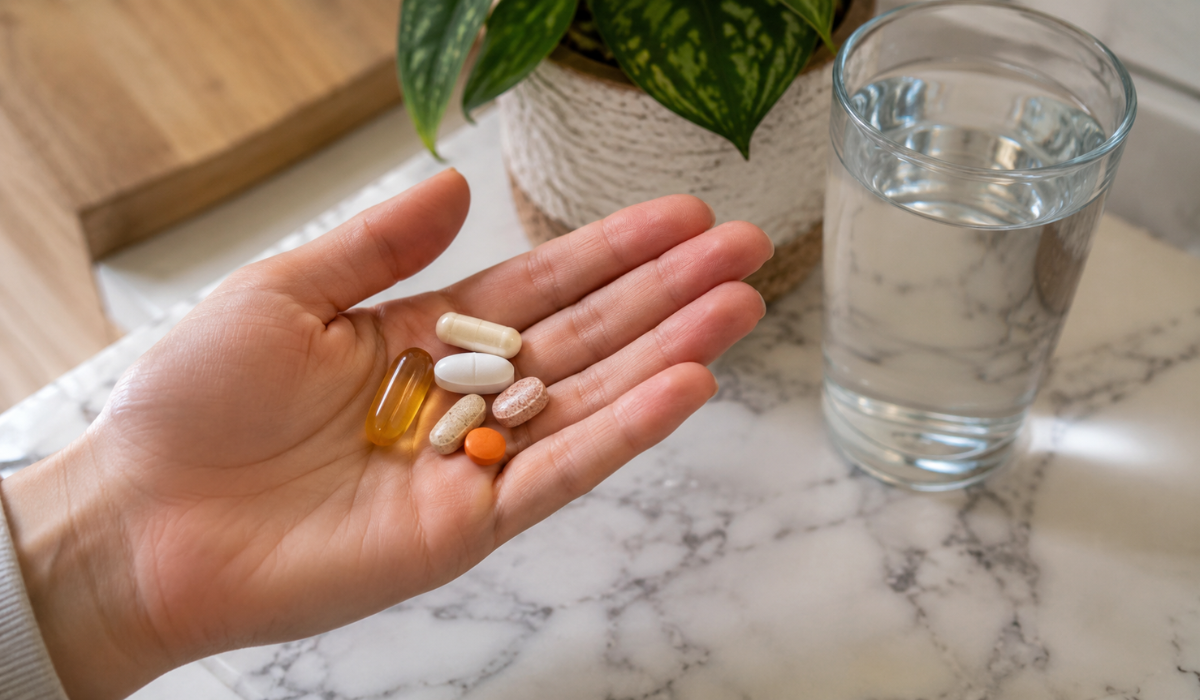
Before we get into the benefits, it’s worth understanding what sets a prenatal apart from the multivitamin sitting in your cabinet right now. Here’s roughly what you’ll usually find in a prenatal formula:
- Higher folic acid, which is critical for early fetal development
- More iron, since pregnancy increases a woman’s blood volume significantly
- Calcium and vitamin D for bone growth
- DHA, an omega-3 that supports brain development
- Biotin and other B-vitamins for energy metabolism
None of these nutrients are exclusive to pregnancy, though. They matter for general health too, which is exactly why a lot of women without any pregnancy plans have started taking them — mostly chasing better hair, clearer skin, or just more energy through the day.
1. Hair Growth Is the Number One Reason Women Try Them
Let’s be real — this is why most people clicked on this article in the first place. So, are prenatal vitamins good for hair growth? Sort of. But there’s a big asterisk attached, and it matters.
Prenatal vitamins tend to be rich in biotin, folic acid, and B-vitamins, and these nutrients genuinely do play a role in keeping hair follicles healthy. If your hair’s been thinning because you’re low on something like biotin or iron, a prenatal could actually help close that gap — give it a few months and you might notice your hair looking fuller and less flat.
But here’s the catch nobody mentions in those glowing testimonials: if your hair loss has nothing to do with nutrition — say it’s hormonal, stress-related, thyroid-related, or just plain genetics — popping a prenatal isn’t going to magically fix it. I’ve talked to women who got frustrated after months of taking these with basically zero change, simply because their hair issue was never a nutrient problem to begin with.
2. Some Women Notice a Difference in Their Skin Too
Hair isn’t the only place people report changes — skin comes up a lot too. The B-vitamins and antioxidants packed into most prenatal formulas support skin cell turnover, which over time can help with a brighter, healthier-looking complexion.
Don’t get me wrong, this isn’t a skincare product. It never will be. What it can do is support your skin from the inside, especially if the dullness or breakouts were tied to a nutritional gap rather than something purely topical. Think of it as backup support running alongside your actual skincare routine, not a replacement for your serums and sunscreen.
3. Filling Real Nutritional Gaps (Iron and Folic Acid, Mainly)
Here’s the reason that actually holds up best under scrutiny, and honestly, it has nothing to do with looks. A lot of prenatal vitamins with iron and folic acid were designed to correct deficiencies that show up constantly in women — pregnant or not.
Iron deficiency, for instance, is incredibly common, especially in women with heavier periods. It shows up as fatigue, brain fog, and that constant “why am I so tired” feeling even after a full night’s sleep. Folic acid does its own quiet work too, supporting red blood cell production and cell repair throughout the body, pregnancy or no pregnancy.
If you’ve had bloodwork done and your iron or folate came back low, don’t be surprised if your doctor suggests a prenatal-style supplement, or just a plain iron and folic acid combo, to get those numbers back up where they should be.
4. Getting the Body Ready Before Conception
This one comes up constantly too: do prenatal vitamins help you conceive, or do prenatals make you fertile? Let’s clear this up right now — no, they don’t. Nothing about a prenatal vitamin increases your chances of getting pregnant, full stop. What they do instead is prepare your body’s nutrient stores ahead of time, so that if and when conception happens, things are already in place.
Folic acid is the real star here. Health organizations recommend it for women trying to conceive because it helps prevent certain neural tube defects during the earliest weeks of fetal development — weeks that often pass before a woman even realizes she’s pregnant. This lines up with guidance from NIH’s Office of Dietary Supplements, which recommends that women who could become pregnant get 400 mcg of folic acid daily, regardless of whether the pregnancy is planned. That’s basically the entire reason doctors push for starting a prenatal before conception rather than after a positive test shows up.
So no, a prenatal won’t tip the odds of pregnancy in your favor. But it does mean your body isn’t scrambling to catch up nutritionally once pregnancy actually happens — which, if you ask me, is reason enough on its own.
5. A Nutritional Backup Plan for Chaotic Schedules
Let’s face it — nobody eats a perfectly balanced diet every single day. Skipped lunches, limited food variety, days where coffee counts as breakfast — that’s real life for a lot of women, not some rare exception. Prenatal vitamins, being nutrient-dense by design, can act as a kind of safety net during those stretches.
This is part of why some women just describe prenatal vitamins as “good” for them overall, even with no pregnancy-related reason for taking them. It’s less about one specific benefit and more about covering the bases diet alone might be missing on a busy week.
6. Calcium and Vitamin D for Bones (and More)
Calcium and vitamin D matter at every age, not just during pregnancy — bone density, muscle function, immune health, all of it depends on these two. Since most prenatal formulas contain a solid amount of both, taking one regularly could support long-term bone health, especially if you don’t get much sunlight or don’t eat a lot of dairy and fortified foods to begin with.
A Quick Word on Reviews
As more non-pregnant women start experimenting with prenatal vitamins, checking reviews before buying has become a pretty normal step. Ritual prenatal vitamins reviews, for example, come up constantly in this space — mostly because people want to know about ingredient transparency, how easy the capsules are to swallow, and whether other users dealt with side effects.
Reviews can help narrow down your options, sure, but they’re not a substitute for talking to your doctor. What works well for one person’s body might not sit the same way with yours, so treat reviews as a starting point, not the final word on anything.
Okay, But What Are the Downsides?
Nobody really likes talking about this part, but skipping it wouldn’t be fair to you. Yes, there are real side effects of prenatal vitamins when not pregnant, and they’re worth knowing before you commit to a bottle.
- Too much iron: Prenatal formulas usually pack more iron than a non-pregnant woman actually needs. Taken over a long stretch, that excess can lead to constipation, nausea, and occasionally more serious issues if it just keeps building up.
- The weight gain question: Prenatal vitamins and weight gain get linked together a lot online, though it’s rarely the vitamin itself causing fat gain directly. More often it’s tied to appetite shifts, water retention, or your body just absorbing nutrients more efficiently than before.
- Excess folic acid: Folic acid is generally considered safe, but taking more than your body actually needs, without a real reason to, isn’t automatically “extra healthy” either. In fact, according to Mayo Clinic, there’s a recommended upper limit on daily folic acid intake for adults, and going beyond it isn’t something to take lightly. Worth a quick chat with your doctor if you’re unsure.
- Stomach trouble: Some women find prenatals rougher on the stomach compared to a regular multivitamin, especially when taken first thing in the morning on an empty stomach.
So, When Should You Actually Start?
If your goal is general wellness, hair, or skin support, there’s no fixed “start date” the way there’d be for pregnancy — you can basically start whenever. But if you’re trying to conceive, most guidelines suggest starting a prenatal with folic acid about one to three months beforehand, since a lot of early fetal development happens before most women even confirm they’re pregnant.
For everything else, it really comes down to a conversation with your doctor first — especially if you’ve got existing health conditions, take other medications, or you’re just not sure whether your body actually needs the extra nutrients a prenatal provides.
Bottom Line
So, are prenatal vitamins good if you’re not pregnant? Honestly? It depends entirely on what’s going on with your body. If you’re dealing with iron or folate deficiencies, hair thinning tied to a real nutrient gap, or you’re planning to conceive soon, a prenatal can genuinely help.
But if none of that applies to you, taking one anyway just means loading up on nutrients your body may not need — which isn’t automatically a good thing, and can lead to side effects nobody signed up for.
If you’re planning for pregnancy or think you may already be expecting, knowing your timeline can make it easier to prepare for each stage. Our Due Date Calculator helps you estimate your due date and track your pregnancy week by week, so you can stay informed and make confident decisions about your prenatal care from the very beginning.
The smartest move, like always, is figuring out your own nutritional picture first. A simple conversation with your doctor or a basic blood test goes a long way before you commit to a whole new supplement routine.
Frequently Asked Questions
1. Are prenatal vitamins good for hair growth even if you’re not pregnant?
They may help if your hair thinning is linked to a nutrient deficiency, since prenatal vitamins are rich in biotin, folic acid, and B-vitamins. However, they won’t reverse hair loss caused by hormones, stress, or genetics.
2. Do prenatal vitamins help you conceive?
Not directly. They don’t increase fertility, but they help prepare your body nutritionally for a healthy pregnancy, which is why doctors often recommend starting them before conception.
3. Do prenatals make you fertile?
No. Fertility is influenced by many biological factors, and prenatal vitamins are not a fertility treatment. They support nutritional readiness for pregnancy, not the ability to conceive itself.
4. What are the side effects of prenatal vitamins when not pregnant?
Possible side effects include excess iron intake, nausea, constipation, and in some cases mild weight changes. These are more likely when the extra nutrients aren’t needed by the body.
5. Can prenatal vitamins cause weight gain?
Weight gain isn’t a direct or guaranteed effect. Any changes are usually linked to appetite, water retention, or overall nutrient absorption rather than the vitamin itself.
6. When should you start taking prenatal vitamins if you’re trying to conceive?
Most guidelines recommend starting one to three months before you plan to conceive, mainly to ensure adequate folic acid levels during early fetal development.
7. Is it safe to take prenatal vitamins long-term without being pregnant?
This depends on your individual health profile. Long-term use without medical guidance isn’t recommended, since prenatal formulas are designed for pregnancy-specific nutrient needs, not general daily use.

Dr. Tania Adib is a Board Certified OB/GYN based in the northern suburbs of Chicago. She earned her undergraduate degree from the University of Notre Dame and her medical degree from Georgetown University in Washington, D.C., before completing her residency in Obstetrics and Gynecology at Magee-Womens Hospital, University of Pittsburgh Medical Center. Her clinical interests include full-spectrum obstetrics and gynecology, from the first period through the menopausal years, contraception, and abnormal bleeding.