

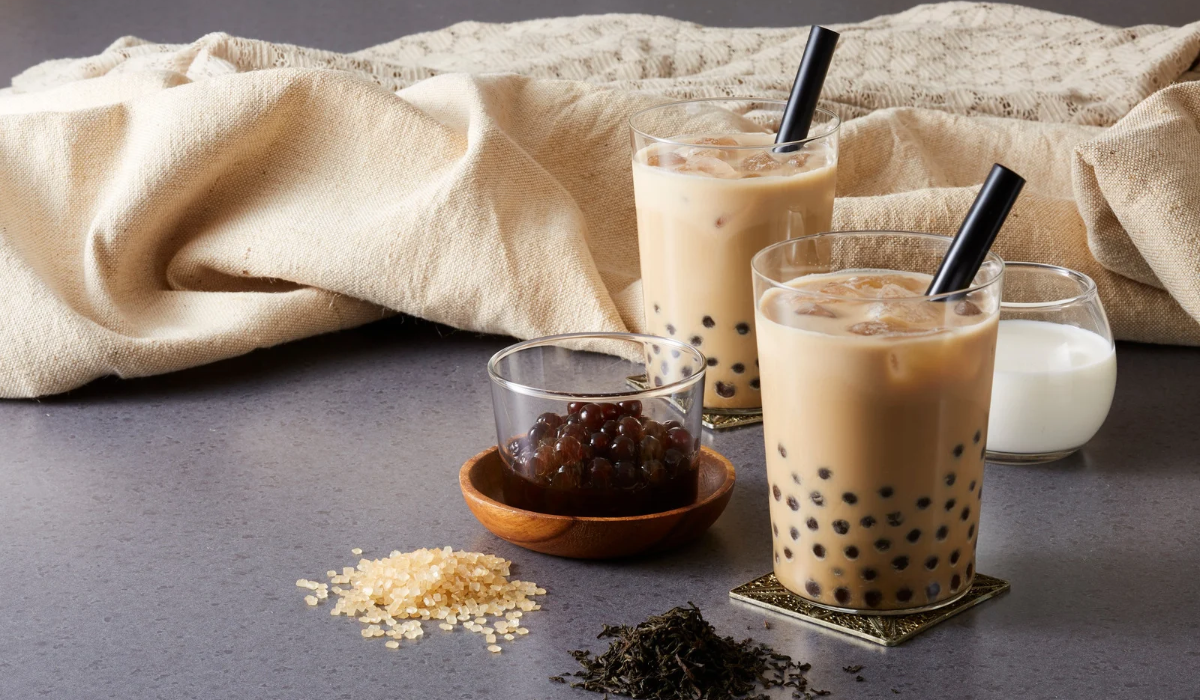
It depends on what’s actually in the cup. Babeltee is a bubble tea (boba) style drink, and like any bubble tea, its pregnancy safety comes down to three things: how much caffeine is in the base tea, whether any dairy or fruit add-ins are pasteurized, and how much sugar you’re taking in with the tapioca pearls. There’s nothing about the format itself that makes it off-limits, but there’s also nothing that makes it automatically fine. You have to look at the label.
What Babeltee actually is
Babeltee falls into the broader bubble tea category that’s been showing up in cafes and on social media over the past couple of years: a brewed tea base, usually shaken or blended with milk or fruit flavoring, poured over chewy tapioca pearls. Marketing around it leans on words like “wellness” and “ritual,” but at its core it’s still tea plus sweetener plus starch pearls. That matters here, because when a patient asks me about a trendy drink, I’m not evaluating the branding. I’m evaluating the ingredients.
And that’s the honest limitation of any general safety guide for a specific drink brand: ingredient lists and caffeine content vary by shop, by flavor, and sometimes by season. If you can find Babeltee’s actual nutrition panel or ask the barista what tea base and add-ins they’re using, that’s the information that actually changes the answer for you.
The three things that matter in pregnancy
Caffeine
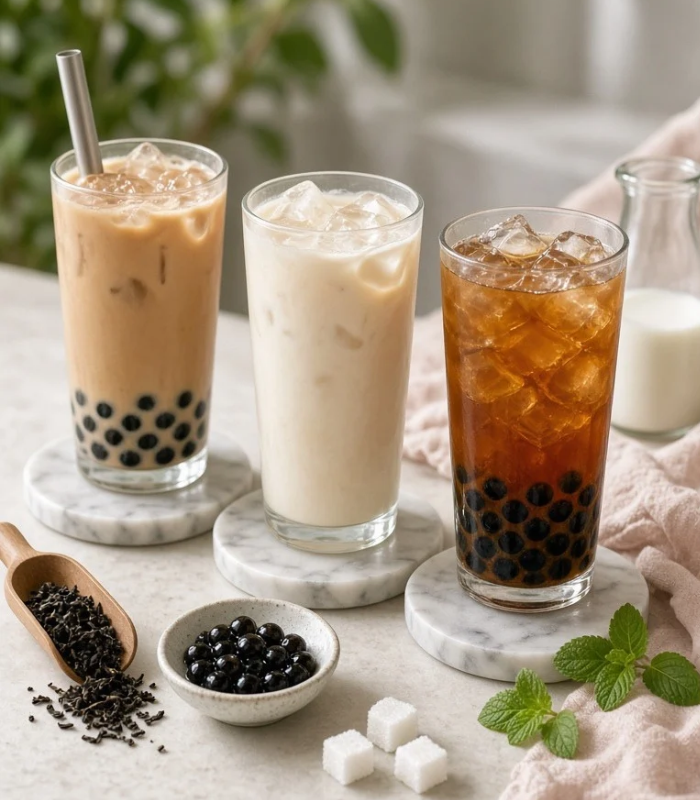
Most bubble tea bases are black, green, or oolong tea, all of which contain caffeine. ACOG’s guidance is to keep total caffeine under 200 mg a day during pregnancy. A single 16-ounce bubble tea made with black tea can land anywhere from 30 mg to over 100 mg depending on how strong it’s brewed, so one cup usually isn’t the problem. The problem is stacking it on top of your morning coffee and forgetting it counts.
If Babeltee offers a fruit-tea base, it’s still worth checking the ingredients and sweetener, just as you would when choosing the Best Juice for Pregnancy.
Dairy and cream add-ins
Some bubble tea shops use fresh dairy creamers or fruit purees that, if unpasteurized, carry a small listeria risk. This isn’t unique to Babeltee. It’s a shop-by-shop practice question. Chain and franchise locations almost always use pasteurized, shelf-stable creamers, which sidesteps this entirely. Independent shops using fresh cream or house-made fruit syrups are the ones worth a quick “is this pasteurized?” before you order.
Sugar and tapioca pearls
Tapioca pearls are mostly starch and added sugar, cooked in a sugar syrup before they’re added to the drink. A standard order can carry 30 to 50 grams of sugar once you count both the syrup and any sweetener in the tea itself. That’s not a pregnancy-specific hazard, but if you’re managing gestational diabetes or watching blood sugar for other reasons, it’s worth treating a full-sugar bubble tea the way you’d treat a milkshake or soda, not a cup of tea.
There’s also a basic mechanical point that gets overlooked: the pearls are chewy and swallowed whole through a wide straw. Chew them fully. This is general choking-hazard advice, not a pregnancy issue specifically, but it’s worth saying once.
Babeltee at a glance
| Factor | What to check | Why it matters in pregnancy |
|---|---|---|
| Caffeine | Ask for the tea base (black, green, oolong, herbal, decaf) | Keep total daily caffeine under 200 mg |
| Dairy/cream | Ask if creamer or fruit puree is pasteurized | Unpasteurized dairy carries a listeria risk |
| Sugar | Ask about sweetness level, order “half sugar” if unsure | Full-sugar drinks can add 30-50g sugar per cup |
| Tapioca pearls | Chew fully before swallowing | Standard choking-hazard precaution |
| Herbal additions | Ask if any herbal extracts or supplements are mixed in | Some herbal ingredients aren’t well studied in pregnancy |
When to just skip it
If a shop can’t tell you what’s in the base tea or whether the dairy is pasteurized, that’s reason enough to order something else that day, not because Babeltee is dangerous, but because you can’t evaluate what you can’t identify. The same logic applies to any specialty herbal blend marketed for “detox” or “wellness” benefits. Pregnancy is not the time to trial a proprietary herbal mix with no ingredient transparency. Can You Drink Kombucha While Pregnant? is another example of checking exactly what is in a specialty drink before making it part of your routine.
When to contact your provider
Most bubble tea questions don’t need a phone call. Reach out to your OB or midwife if:
- You’ve had several caffeinated drinks in one day and aren’t sure of your total intake
- You develop symptoms after drinking it, like stomach upset, unusual swelling, or a rash
- You’re managing gestational diabetes and want specific guidance on where a treat like this fits into your day
FAQs
Can I drink Babeltee every day during pregnancy?
Probably not every day, mostly because of the sugar load rather than any pregnancy-specific danger. An occasional cup, with an eye on caffeine and sugar, fits into most pregnancy diets fine.
Is boba itself safe to eat while pregnant?
Yes. Tapioca pearls are cooked starch, not a raw or high-risk food. Chew them well, the same advice that applies to any dense, chewy food.
What if I already had a Babeltee before I knew I was pregnant?
One drink, even a caffeinated one, is not a cause for concern. Early pregnancy caffeine exposure from a single beverage is not associated with harm. If you’re worried, mention it at your next visit, but there’s no need to call in a panic.
Are there pregnancy-safe versions?
Ask for a decaf or herbal tea base, request less sugar, and confirm any dairy is pasteurized. That covers the main variables.
Bottom line
Babeltee isn’t a special case. It’s a bubble tea, and the same rules that apply to any bubble tea apply here: know your caffeine total for the day, confirm dairy add-ins are pasteurized, watch the sugar if that matters for your situation, and chew the pearls properly. Ask the shop what’s actually in your cup. That one question answers most of what you need to know.

Dr. Tania Adib is a Board Certified OB/GYN based in the northern suburbs of Chicago. She earned her undergraduate degree from the University of Notre Dame and her medical degree from Georgetown University in Washington, D.C., before completing her residency in Obstetrics and Gynecology at Magee-Womens Hospital, University of Pittsburgh Medical Center. Her clinical interests include full-spectrum obstetrics and gynecology, from the first period through the menopausal years, contraception, and abnormal bleeding.