

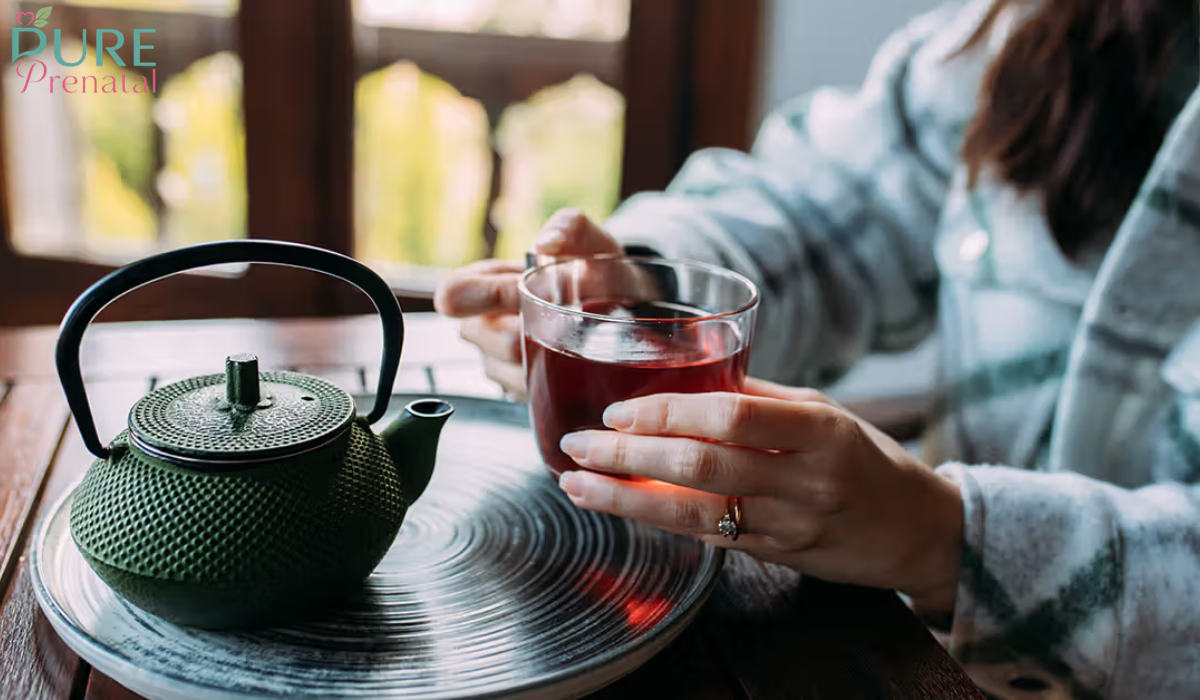
I remember how this topic usually comes up. You’re in your third trimester, someone in the family mentions it over chai, and suddenly you’ve got three different opinions on raspberry leaf tea pregnancy use before you’ve even finished your cup. Your mother swears by it. Your friend tried it and says nothing happened. Your doctor gives you a cautious “sure, in moderation.” So who do you actually listen to?
That’s really what this article is for. Not to tell you what to do, but to actually walk through what this tea is, why people drink it, when it makes sense to start, and where the real caution lies—so you can have an informed conversation with your own provider instead of just going off what someone heard from someone else.
What Raspberry Leaf Tea Actually Is
Quick clarification first, because this trips people up constantly—raspberry leaf tea isn’t made from raspberries. No fruity flavor, no sweetness. It’s brewed from the dried leaves of the red raspberry plant, and it tastes a bit like a mild black tea, slightly earthy, completely caffeine-free.
This isn’t some new wellness trend either. Women have been drinking it for generations, well before anyone thought to write about it online. The leaves contain a compound called fragarine, along with tannins and a few other plant compounds, and the traditional belief is that these have a toning effect on the uterus. Pretty much everything else you’ll read about this tea traces back to that one idea.
When People Usually Start Drinking It
Honestly, there’s no strict rulebook here. When start raspberry leaf tea comes up with a midwife, most will say somewhere around 32 weeks is the typical starting point, though a few are fine with 28 weeks if you ease into it slowly.
Why the wait? Mostly caution, not proof of harm. Since the tea is believed to nudge some uterine activity, most care providers would rather you not touch it while the pregnancy is still developing. Once you’re near full term, that concern fades quite a bit.
If your provider says go ahead, don’t rush it. One cup a day to start, and only build up from there if things feel fine. There’s really no benefit to jumping straight into three cups in your first week of trying it.
What Women Actually Report Getting From It
Ask around and you’ll hear a fairly consistent list of red raspberry leaf benefits. Some support for uterine tone heading into labor—that’s the traditional reasoning behind almost all of this. A bit of nutritional value too, since the leaves naturally carry small amounts of vitamin C, vitamin E, a few B vitamins, plus magnesium and iron. A handful of smaller studies have suggested a somewhat shorter pushing stage during labor among women who drank it consistently, though I want to be honest—these studies are small, and nobody serious is calling this settled science. And then there’s the simple stuff: a lot of women just appreciate having something warm and caffeine-free to drink once their coffee gets rationed.
I think it’s worth saying plainly that the research on raspberry tea benefits just isn’t there yet in a big way. Not because it’s been tested and shown not to work—more because nobody’s funded the kind of large trial that would settle the question. That gap doesn’t mean don’t try it. It just means keep your expectations realistic.
Where You Actually Need to Be Careful
Here’s the thing about “natural”—it doesn’t automatically mean risk-free, and raspberry leaf tea is a decent example of that.
The same uterine stimulation that’s supposed to help later on is exactly why it’s discouraged earlier. If you’ve had a preterm birth before, or your pregnancy is considered high-risk for any reason, most providers would rather you skip this one entirely rather than gamble. Herbal teas also don’t go through the same regulation as medication, so the strength of one brand’s leaves can be genuinely different from another’s, even when the packaging looks near identical. And some women do notice side effects—an upset stomach, looser stools, or contractions that feel a touch stronger than usual.
None of this is meant to scare you off. It’s just meant to be honest that this isn’t a decision to make purely off a blog post or a family member’s experience. Bring it up with your midwife or doctor, especially if your pregnancy hasn’t been entirely straightforward or you’re carrying twins.
Stepping Back—What Tea Is Safe During Pregnancy in General?
Since we’re already deep into tea territory, let’s widen the lens a bit. What tea is safe during pregnancy beyond just this one specific kind?
A few tend to come up again and again as reasonably safe, pregnancy safe tea picks—rooibos, which has no caffeine at all; ginger tea, which a lot of women lean on during those rough early weeks of nausea; lemon balm; and various fruit-based herbal blends that skip the added stimulants or unusual herbs.
Even these, though, come with the same underlying message—moderation. One to two cups a day tends to be the general guidance, not unlimited cups just because a box says “herbal” on the front.
And the Ones Worth Skipping Altogether
On the other end, there’s a short list of teas to avoid during pregnancy, or at least treat with real caution. Detox and weight-loss teas often lean on senna or similar laxative herbs, which can bring on cramping and dehydration—not ideal at any point in pregnancy. Licorice root tea has shown up in some research linked to effects on fetal development when people drink a lot of it. Pennyroyal tea is one that’s just better left alone entirely. And even something as ordinary as black or green tea, in large quantities, can quietly push your total caffeine intake higher than what’s recommended.
The Peppermint Question
This one gets asked constantly, so let’s address it directly. Is peppermint tea safe for pregnancy? For most women, yes, in reasonable amounts—it’s actually a fairly common choice for calming an upset stomach or easing mild nausea. But is it safe to drink peppermint tea during pregnancy every single day? That’s where I’d slow down a little. A cup here and there is fine for most people, but there’s no real need to make it a daily habit, and honestly, large amounts of any herbal tea just haven’t been studied thoroughly enough to call them completely risk-free.
Hibiscus Deserves More Caution
If peppermint sits on the easier end, hibiscus is the opposite. Is hibiscus tea safe during pregnancy? A lot of providers actually recommend avoiding it, especially in the first trimester, since some research points to it possibly affecting hormone levels or uterine activity. If you’re someone who drinks hibiscus tea regularly, this is genuinely worth a direct conversation with your provider rather than assuming it’s harmless.
Green Tea While Pregnant—Fine, But Watch Two Things
Green tea while pregnant is usually okay in moderate amounts, but keep two details in mind. First, it does contain caffeine, so it counts toward your daily limit—most guidelines cap that around 200mg. Second, and this one surprises people, green tea can interfere with how your body absorbs folic acid if you’re drinking a lot of it, and folic acid matters a great deal in early pregnancy. A reasonable middle ground is one cup a day, and skipping it right around the time you take your prenatal vitamin.
If You Decide to Actually Try It
Say your provider gives the okay—here’s roughly how most women go about it. Steep about one to two teaspoons of dried raspberry leaf in hot water for five to ten minutes. Start with a single cup a day rather than diving straight into multiple cups. Stick to a brand you trust so you’re not left guessing about quality. And pay attention to how you feel—if contractions start feeling noticeably stronger or more frequent, that’s a conversation to have with your midwife sooner rather than later, not something to just wait out.
It Comes Up Outside Pregnancy Too
Small side note worth mentioning—some women also try drinking raspberry leaf tea during period, completely separate from pregnancy, hoping it eases cramping or general discomfort. It’s a different tradition from the pregnancy use, though it leans on the same basic idea that the plant has some toning effect on the uterus.
Where That Leaves You
Raspberry leaf tea pregnancy use sits in that space where tradition has moved a lot faster than science. Plenty of women genuinely find comfort in it as labor gets closer, and there’s nothing wrong with wanting to feel a bit more prepared. But timing matters, the research is still thin, and your own pregnancy history should carry more weight in this decision than anything you read in an article—including this one. Whether you’re weighing raspberry leaf tea specifically, sorting through your pregnancy safe hot tea options, or just want a reliable safe tea for pregnant days when coffee’s off the table, the safest move stays the same—ask your provider, go slow, and actually listen to how your body responds.
Frequently Asked Questions
Is raspberry leaf tea safe to drink throughout the entire pregnancy?
Not usually—most providers suggest waiting until the third trimester, once you’re closer to full term. Starting earlier isn’t the norm, so it’s worth confirming timing with your own provider before you begin.
Can raspberry leaf tea actually bring on labor?
Not really, at least not on its own. It’s more tied to toning the uterine muscles ahead of labor than to triggering contractions directly, though everyone’s body reacts a little differently to it.
How many cups a day makes sense? Most guidance starts around one cup a day, working up to two or three closer to your due date. Even so, this really should be shaped around your own health history rather than a fixed number everyone follows.
Is it normal to feel more Braxton Hicks contractions after drinking it?
Some women do notice this. If the contractions start feeling unusually strong or come more often than expected, don’t just wait and see—call your provider.
Should I stay away from it if I’ve had a preterm birth before?
Generally, yes, unless your provider tells you otherwise directly. The same uterine stimulation that’s usually fine later in a low-risk pregnancy could carry more weight if you have that kind of history.
Is raspberry leaf tea the same as raspberry fruit tea?
No, and people mix these up a lot. Raspberry leaf tea comes from the plant’s leaves; raspberry fruit tea is flavored with the actual berries and doesn’t carry the same traditional pregnancy-related use.
Do people combine raspberry leaf tea with anything else?
Some pair it with nettle leaf tea for extra nutrients, but honestly, any combination is worth mentioning to your provider before you start mixing things.

Dr. Tania Adib is a Board Certified OB/GYN based in the northern suburbs of Chicago. She earned her undergraduate degree from the University of Notre Dame and her medical degree from Georgetown University in Washington, D.C., before completing her residency in Obstetrics and Gynecology at Magee-Womens Hospital, University of Pittsburgh Medical Center. Her clinical interests include full-spectrum obstetrics and gynecology, from the first period through the menopausal years, contraception, and abnormal bleeding.