

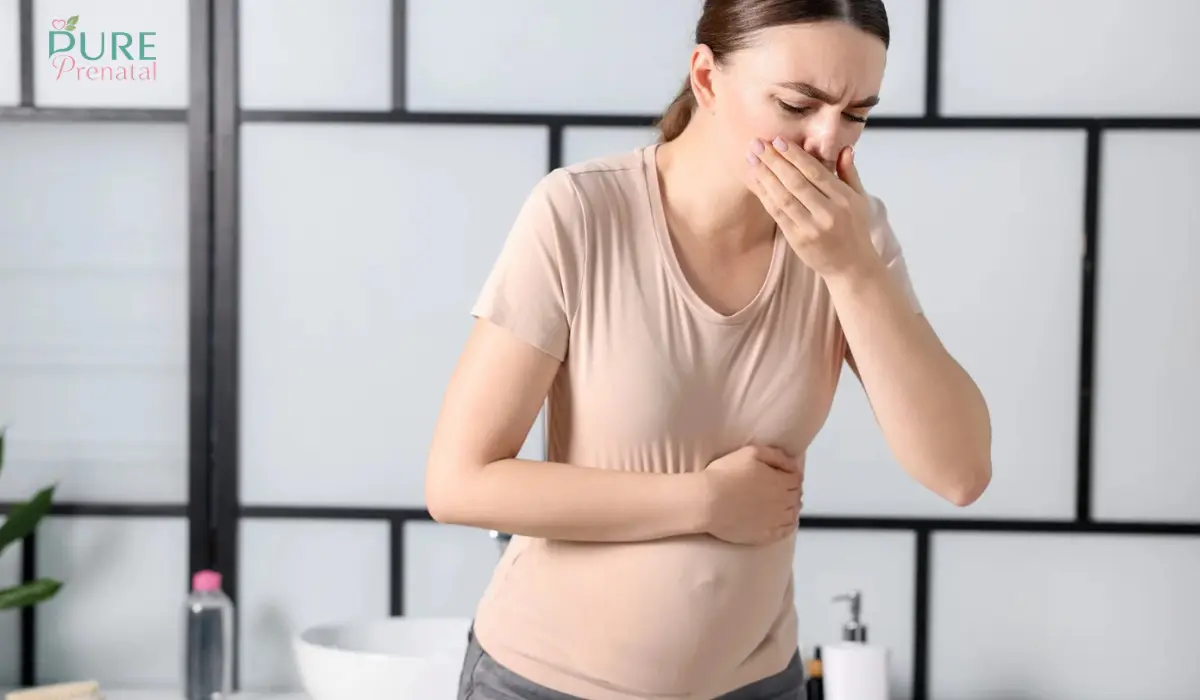
Okay, so you’ve noticed your stomach’s been acting up lately, and now here you are, typing “is diarrhea a symptom of pregnancy” into Google at some odd hour. Sound about right? You’re definitely not the only one doing this. And the honest answer is — yes, it can be a symptom. But it’s also one of the shakiest, least reliable clues out there. Let’s break down why.
Can Diarrhea Be a Symptom of Pregnancy?
It’s usually not the first thing people think of. Ask anyone about early pregnancy signs and you’ll hear nausea, sore breasts, maybe a missed period. Diarrhea rarely makes that list. But it does happen for some people, and there’s an actual hormonal reason for it.
The second conception happens, your body kicks into gear and starts pumping out more progesterone and hCG (that’s human chorionic gonadotropin, in case you’re wondering). These hormones aren’t just working on your uterus — they reach your digestive system too, and the effect is honestly kind of unpredictable depending on who you ask.
Some women find everything slows down, leading to constipation and that heavy, bloated feeling. Others get the opposite — things speed up, stools get looser. That’s really the frustrating bit about this whole symptom. It’s inconsistent. A lot of pregnant women sail through their entire first trimester without any stomach drama whatsoever.
Throw in food aversions and sudden diet swings, and the picture gets even blurrier. If you’ve started eating totally different foods the moment you suspected you might be pregnant, your gut could just be reacting to that change — not necessarily to pregnancy itself.
Is Diarrhea an Early Symptom of Pregnancy?
When diarrhea does tie back to pregnancy, it usually shows up in that same early window as other symptoms — somewhere around one to two weeks after conception, which lines up with when your period would normally arrive. Generally it’s mild. Comes, goes, and doesn’t really bring a fever or intense cramping along with it.
But here’s the catch — doctors call this a non-specific symptom. Meaning, sure, it could point toward pregnancy. It could also just as easily be last night’s dinner, a random bug going around, stress, or a new supplement you started. Because there’s so much overlap, no doctor is going to look at diarrhea alone and say “yep, you’re pregnant.”
Can You Get Pregnancy Symptoms Before a Positive Test?
Yes — and honestly, this catches a lot of people off guard. Implantation (that’s when the fertilized egg finally settles into your uterine lining) usually happens somewhere between six and twelve days after ovulation. Which, more often than not, is before a home test can even detect enough hCG to give you a clear result.
During that window, some people start feeling little shifts — a bit more wiped out than usual, tender breasts, some light spotting, maybe an upset stomach or diarrhea. These symptoms show up because hormone levels are already climbing, just not high enough yet for your test strip to catch it.
So if you tested early and got a negative even though something feels off, don’t panic. It might just be too soon. Wait a few days, try again with your first pee of the morning — that’s usually when hCG is most concentrated anyway.
What Does Implantation Feel Like?
Truth is, a lot of women don’t feel anything at all. But when it is noticeable, people usually describe it as:
- A light, short-lived cramp, softer than a regular period cramp
- Pink or brownish spotting instead of bright red blood
- A weird little pulling or twinging sensation low in the belly
- Some mild bloating
It usually clears up within a day or two, tops. And yeah, it’s really easy to mix up with an early period — which explains why so many people spend a few confusing days wondering if their period’s starting or if it’s something else entirely.
Is Cramping Normal in Early Pregnancy?
For the most part, yes, it is. As your uterus stretches to make room for a growing pregnancy, some cramping and pulling is just… part of the deal. That’s different from sharp, one-sided, or nonstop pain though — that kind can occasionally point to something like an ectopic pregnancy, and it needs medical attention right away.
Can You Have Cramps in Early Pregnancy Without Anything Being Wrong?

Definitely. Mild cramping alongside diarrhea or other digestive changes is often just your body adjusting to rising hormones and extra blood flow around the pelvis. What really matters is the intensity and the pattern. Mild cramping that comes and goes? Usually nothing to worry about. Severe, constant cramping paired with heavy bleeding, dizziness, or fever? Call your doctor, don’t wait it out.
Can You Get Your Period While Pregnant?
Not really — not in the true sense anyway. A real period means the uterine lining actually sheds, and that just doesn’t happen once you’re pregnant. Hormone levels rise specifically to keep that lining in place, not shed it.
That said, some people do get light bleeding early on that looks a whole lot like a period. Sometimes it’s implantation bleeding. Other times it’s because the cervix becomes more sensitive and vascular, which can lead to a bit of bleeding after sex or a pelvic exam. Either way — any bleeding during pregnancy is worth flagging to your provider, not necessarily because it’s a problem, but just to be on the safe side.
Do Pregnancy Symptoms Come and Go?
Yes, and this one throws a lot of first-timers off. Early pregnancy symptoms almost never stay consistent. Nausea might hit hard in the morning and disappear completely by lunchtime. Fatigue can knock you out one day and barely show up the next. Diarrhea, sore breasts, bloating — they all tend to follow that same unpredictable, on-and-off pattern.
Why does this happen? Because hormone levels don’t rise in some smooth, perfect line. They fluctuate — sometimes hour to hour, honestly — and your body just responds along with it. So feeling awful one day and totally fine the next is normal in those early weeks. Don’t read too much into the quiet days.
A Few Other Early Symptoms People Ask About
Since no single symptom confirms pregnancy by itself, it helps to step back and look at the whole picture instead of fixating on one thing.
Is throat pain a symptom of pregnancy? Not really a major one. Some people do report a scratchy or sore throat, possibly linked to hormonal shifts affecting mucus production and immunity, but honestly, more often than not it’s just a coincidental cold. If throat pain is your only symptom, pregnancy probably isn’t the main culprit.
Is belching a symptom of pregnancy? Actually, yeah, this one’s pretty common. Rising progesterone relaxes the valve between your stomach and esophagus, which means more gas, more burping, and sometimes a bit of mild acid reflux — especially right after meals.
Is breast pain a symptom of pregnancy? Yes, and it’s one of the more commonly reported early signs out there. Blood flow increases, hormones shift, and breast tissue can get tender, heavy, or just plain sensitive — sometimes within the first couple of weeks.
Are hiccups a symptom of pregnancy? Not typically listed as an early sign on its own, but bloating or feeling overly full can trigger them more, since there’s extra pressure on the diaphragm. Later on in pregnancy, fetal hiccups are a totally different thing — tiny rhythmic flutters you’ll actually feel from the inside, which a lot of people find kind of magical, honestly.
When Digestive Symptoms Need Medical Attention
Mild, occasional diarrhea in early pregnancy usually isn’t anything dangerous. But dehydration is a real concern, since your body’s fluid needs go up anyway once you’re pregnant. Get in touch with your provider if diarrhea:
- Sticks around for more than two or three days
- Comes with a high fever
- Includes blood or mucus
- Shows up with severe abdominal pain
- Leads to dehydration signs — dizziness, dark urine, barely peeing at all
Any of these point to something beyond your run-of-the-mill hormonal digestion, and they’re worth getting checked out properly.
The Bottom Line
Diarrhea can absolutely be a symptom of early pregnancy — that part’s true. But it’s just one piece of a much bigger puzzle, not proof on its own. Hormones mess with digestion differently for everyone. Some get looser stools, some get constipated, plenty notice nothing different at all. If you think you might be pregnant, your best move is a home test taken after a missed period, followed by a proper confirmation from your doctor if it’s positive or if your symptoms just won’t quit.
Paying attention to your body is worth something, sure. But no single sign — not diarrhea, not cramping, not sore breasts — tells the whole story on its own. It’s really the overall pattern, combined with an actual test, that gives you a real answer.
Frequently Asked Questions
Is diarrhea a definite sign of pregnancy?
No, not really. It can happen early on because of hormonal shifts, but it’s non-specific — plenty of other things, from your diet to stress to a random stomach bug, can cause the exact same thing.
How soon can digestive symptoms start after conception?
For some people, it shows up as early as one to two weeks after conception, right around the time a period would normally be expected.
Should I be worried about diarrhea in early pregnancy?
Mild, occasional diarrhea usually isn’t a red flag at all. But if it drags on for days, comes with a fever, or leaves you dehydrated, that’s when it’s time to call your provider.
Can stress cause diarrhea that mimics early pregnancy symptoms?
Yes, honestly, it can. Stress and anxiety mess with digestion in ways that look a lot like early pregnancy signs — which is exactly why symptom-spotting alone isn’t the best way to figure out if you’re pregnant.
What’s the most accurate way to know if I’m pregnant?
A home pregnancy test taken after your missed period, backed up by confirmation from your healthcare provider, is still the most reliable way to know for sure.

Dr. Tania Adib is a Board Certified OB/GYN based in the northern suburbs of Chicago. She earned her undergraduate degree from the University of Notre Dame and her medical degree from Georgetown University in Washington, D.C., before completing her residency in Obstetrics and Gynecology at Magee-Womens Hospital, University of Pittsburgh Medical Center. Her clinical interests include full-spectrum obstetrics and gynecology, from the first period through the menopausal years, contraception, and abnormal bleeding.