

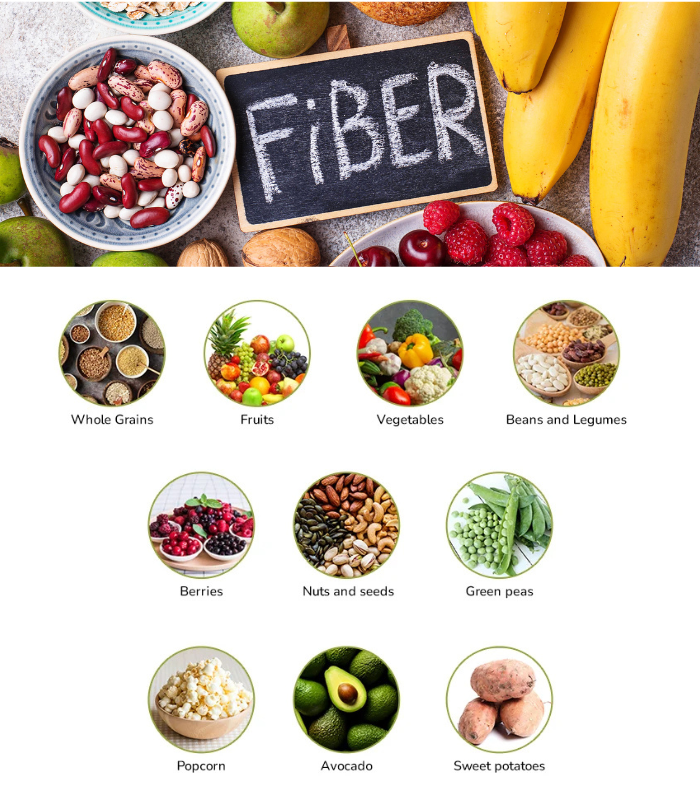
If you’ve been dealing with sluggish digestion since finding out you’re pregnant, you’re not alone. Fiber and pregnancy go hand in hand: hormonal changes slow the gut, and getting enough fiber during pregnancy is one of the simplest ways to keep things moving comfortably.
How Much Fiber Do You Need During Pregnancy?
Most guidance suggests pregnant women aim for around 25 to 30 grams of fiber a day, slightly more than what’s typically recommended outside pregnancy. There isn’t one universal number, and your needs can shift depending on your diet and how your digestion is responding, so it’s worth mentioning your intake at a prenatal appointment if you’re unsure. What matters more than hitting an exact figure is building fiber rich foods into your meals consistently, rather than eating a large amount all at once, which can cause bloating or cramping.
Why Fiber Matters When You’re Pregnant
Progesterone relaxes the muscles in your digestive tract, which is part of why constipation is so common in pregnancy. A high fiber pregnancy diet helps by adding bulk to stool and supporting regular bowel movements. Fiber can also help you feel fuller for longer, and for women managing gestational diabetes, fiber rich foods are often specifically recommended because they slow down how quickly sugar enters the bloodstream after a meal.
Best High Fiber Foods for Pregnant Women
There’s no single “best” food, but this mix covers most bases.
| Food group | Examples | Fiber benefit |
|---|---|---|
| Legumes | Lentils, chickpeas, black beans | Among the most concentrated fiber rich foods, plus protein and iron |
| Whole grains | Oats, brown rice, whole wheat bread | Steady, gentle source of daily fiber |
| Fruits | Pears, apples with skin, raspberries, prunes | Fiber plus natural sweetness and hydration |
| Vegetables | Broccoli, carrots, sweet potato with skin | Fiber alongside folate and other key nutrients |
| Nuts and seeds | Chia seeds, flaxseed, almonds | Small portions add fiber and healthy fats |
Fruits high in fiber for pregnancy, like pears, prunes, and berries, are some of the easiest wins, and they double as a snack that helps with cravings without a big blood sugar spike.
High Fiber Snacks and Meals for Pregnancy
Simple ways to build fiber into the day: oats with chia seeds and berries at breakfast, hummus with raw vegetables as a snack, a lentil or bean-based soup for lunch, whole grain toast with avocado, or a handful of almonds with a piece of fruit between meals. Spreading these high fiber meals throughout the day, rather than eating them all at once, tends to be gentler on digestion.
Fiber Rich Foods for Pregnancy Constipation
If constipation has already set in, food is usually the first thing to adjust. Alongside high fiber foods, drinking plenty of water is essential, since fiber without enough fluid can make constipation worse rather than better. [Constipation in pregnancy] Gentle movement, like a short daily walk, can help too. A combination of prunes, oats, and leafy greens with consistent hydration often makes a noticeable difference within a few days.
Fiber Supplements During Pregnancy
Sometimes food alone isn’t quite enough, and that’s when people start asking whether it’s safe to take a fiber supplement while pregnant. Many fiber supplements, including psyllium husk and inulin-based products like chicory root fiber, are generally considered appropriate during pregnancy, and Benefiber is one brand commonly asked about by name. That said, “pregnancy safe” isn’t the same as “right for everyone,” since individual health conditions and how a supplement is formulated matter. Some fiber gummies contain added sugars worth checking, and cassava root fiber or pectin-based products can behave differently in the gut than a plain psyllium supplement. Before starting any fiber supplement, it’s best to check with your midwife, GP, or obstetrician, particularly if you’re also taking iron, since fiber can affect how other supplements are absorbed.
Frequently Asked Questions
Can I get too much fiber during pregnancy?
Yes, increasing fiber quickly can cause bloating or cramping. It’s better to raise intake gradually and drink enough water alongside it.
Is Benefiber safe during pregnancy?
It’s generally considered reasonable for many pregnant women, but check with your healthcare provider first, especially with any digestive conditions.
Do fiber gummies work as well as food?
They can top up your intake, but whole foods also provide vitamins and hydration that gummies don’t, so food should remain the main source.
Are high fiber foods helpful for gestational diabetes?
Many fiber rich foods, particularly whole grains and legumes, are commonly recommended because they can help moderate blood sugar spikes, though your care team should guide your specific plan.
Bottom Line
Getting enough fiber during pregnancy through legumes, whole grains, fruit, and vegetables is one of the most practical ways to ease constipation and support steady digestion. Supplements can help fill gaps, but work best alongside food, water, and movement, not instead of them. If constipation persists, a quick conversation with your midwife or doctor can help you choose what’s right for you.

Dr. Tania Adib is a Board Certified OB/GYN based in the northern suburbs of Chicago. She earned her undergraduate degree from the University of Notre Dame and her medical degree from Georgetown University in Washington, D.C., before completing her residency in Obstetrics and Gynecology at Magee-Womens Hospital, University of Pittsburgh Medical Center. Her clinical interests include full-spectrum obstetrics and gynecology, from the first period through the menopausal years, contraception, and abnormal bleeding.