

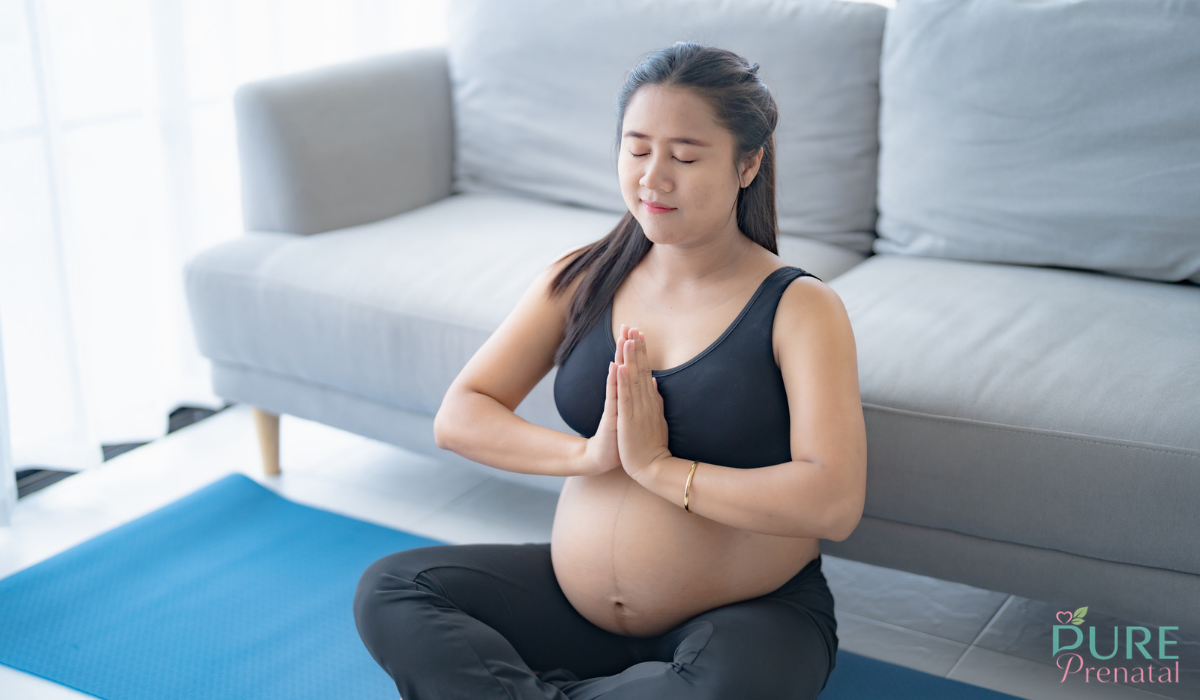
Pregnancy is a time when many women look for gentle ways to stay active, ease stress, and keep their bodies strong for the changes ahead. Yoga is often near the top of that list because of its reputation for calming the mind and improving flexibility. But not all styles of yoga are created equal, and one style in particular, Bikram yoga, raises real questions about its safety during pregnancy. If you’ve been searching for clear, honest information on this topic, this article breaks down what Bikram yoga is, why it’s treated differently from regular prenatal yoga, and what safer alternatives look like.
What Is Bikram Yoga?
Bikram yoga is a style of hot yoga that follows a fixed sequence of 26 postures and two breathing exercises, practiced in a room heated to roughly 95–105°F (35–40°C) with high humidity. The heat is meant to loosen muscles, encourage deep stretching, and promote heavy sweating, which practitioners often associate with detoxification. Classes typically run 90 minutes and are physically demanding even for people who are not pregnant.
This intensity and the artificial heat are exactly what set Bikram apart from a standard or prenatal yoga class, and they’re also why medical professionals tend to approach it with caution when pregnancy is involved.
Why Heat Is the Central Concern
The human body is generally very good at regulating its own temperature, but pregnancy changes that balance. A developing baby depends on the mother’s body to dissipate heat efficiently, and a mother’s core temperature naturally runs a bit higher during pregnancy due to increased metabolic activity and blood volume.
When you add an external heat source like a room deliberately warmed to over 100°F, the body has to work much harder to cool down. This raises the risk of a condition called maternal hyperthermia, where the body’s core temperature climbs to unsafe levels. Elevated core temperature, particularly in the first trimester, has been linked in various studies to concerns about fetal neural tube development. This is part of why many prenatal fitness experts advise steering clear of saunas, hot tubs, and heated exercise classes altogether during early pregnancy.
Increased Risk of Dehydration and Dizziness
Heavy sweating in a heated room already causes rapid fluid loss in anyone, but pregnant bodies require more fluid to support increased blood volume and amniotic fluid levels. Dehydration during pregnancy can contribute to headaches, reduced amniotic fluid, contractions, and a drop in blood pressure. Combine dehydration with the physical demands of an hour-and-a-half class, and dizziness or fainting becomes a real possibility something that’s especially risky given changes in balance and blood flow that already happen during pregnancy.
Joint and Ligament Sensitivity
During pregnancy, the body produces a hormone called relaxin, which loosens ligaments and joints to prepare for childbirth. This increased flexibility might sound helpful for a deep-stretching practice, but it actually raises the risk of overstretching, joint instability, and injury. Heat further relaxes muscles and connective tissue, which can encourage a pregnant practitioner to push into positions beyond what her joints can safely support without the usual protective resistance.
What Health Experts Generally Recommend
Because of these combined factors heat exposure, dehydration risk, and joint laxity many prenatal health resources recommend avoiding Bikram yoga and other forms of hot yoga entirely during pregnancy. Instead, they typically point toward:
- Prenatal yoga classes, which are designed specifically for pregnant bodies, practiced at normal room temperature, and led by instructors trained to modify poses for each trimester.
- Gentle or restorative yoga, which focuses on breathing, light stretching, and relaxation without extreme heat or intensity.
- Low-impact cardio, such as walking or swimming, which supports cardiovascular health without overheating risk.
If you already have an established Bikram or hot yoga practice and are considering continuing after becoming pregnant, the most consistently repeated advice is to have a detailed conversation with your OB-GYN or midwife first. Every pregnancy carries its own considerations, and a healthcare provider is best positioned to weigh your personal health history.
Trimester-by-Trimester Considerations
First trimester
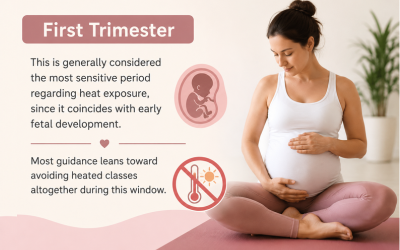
First trimester: This is generally considered the most sensitive period regarding heat exposure, since it coincides with early fetal development. Most guidance leans toward avoiding heated classes altogether during this window.
Second trimester
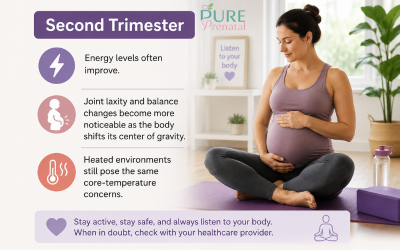
Second trimester: Energy levels often improve, but joint laxity and balance changes become more noticeable as the body shifts its center of gravity. Heated environments still pose the same core-temperature concerns.
Third trimester
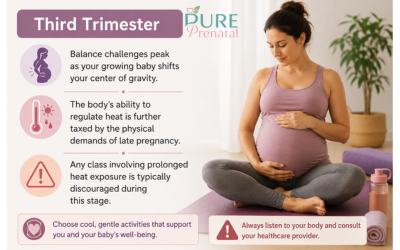
Third trimester: Balance challenges peak, and the body’s ability to regulate heat is further taxed by the physical demands of late pregnancy. Any class involving prolonged heat exposure is typically discouraged during this stage.
Signs to Stop and Seek Help
Regardless of the type of exercise, it’s important to know the warning signs that indicate you should stop activity and contact a healthcare provider. These include dizziness or lightheadedness, chest pain, calf pain or swelling, decreased fetal movement, vaginal bleeding, unusual shortness of breath, or a rapid heartbeat that doesn’t settle with rest.
Making a Safer Choice
If the physical and mental benefits of yoga are what drew you to Bikram in the first place improved flexibility, stress relief, better sleep, and a sense of routine those benefits are very achievable through prenatal-specific classes without the added heat risk. Many studios that offer Bikram or hot yoga also offer non-heated prenatal sessions, so switching formats doesn’t necessarily mean giving up the community or structure you enjoy.
Ultimately, the decision about any form of exercise during pregnancy should be made together with a qualified healthcare provider who knows your individual health history, risk factors, and how your pregnancy is progressing.
Frequently Asked Questions
Is Bikram yoga safe at any point during pregnancy?
Most health guidance advises against practicing Bikram or other heated yoga styles at any stage of pregnancy because of the risk of overheating, dehydration, and joint strain, regardless of trimester.
Can heat from hot yoga actually affect a developing baby?
Elevated maternal core temperature, especially during early pregnancy, has been associated in research with potential risks to fetal development, which is why heated environments are generally discouraged.
Is regular (non-heated) yoga different from Bikram yoga for pregnant women?
Yes. Regular or prenatal yoga is practiced at normal room temperature and is typically designed with modifications for pregnant bodies, making it a commonly recommended alternative to heated styles like Bikram.
What symptoms suggest I should stop a yoga session immediately while pregnant?
Dizziness, overheating, shortness of breath, chest pain, vaginal bleeding, or reduced fetal movement are all signs to stop activity right away and contact a healthcare provider.
Can I do any hot yoga if I lower the temperature or shorten the class?
Even a modified heated class still involves an external heat source raising core body temperature, so most healthcare providers still recommend avoiding heated formats altogether rather than trying to adjust them.
What type of yoga is generally considered best during pregnancy?
Prenatal yoga, practiced in a temperature-controlled room with instructors trained in pregnancy-safe modifications, is the option most consistently recommended over heated styles like Bikram.

Dr. Tania Adib is a Board Certified OB/GYN based in the northern suburbs of Chicago. She earned her undergraduate degree from the University of Notre Dame and her medical degree from Georgetown University in Washington, D.C., before completing her residency in Obstetrics and Gynecology at Magee-Womens Hospital, University of Pittsburgh Medical Center. Her clinical interests include full-spectrum obstetrics and gynecology, from the first period through the menopausal years, contraception, and abnormal bleeding.