

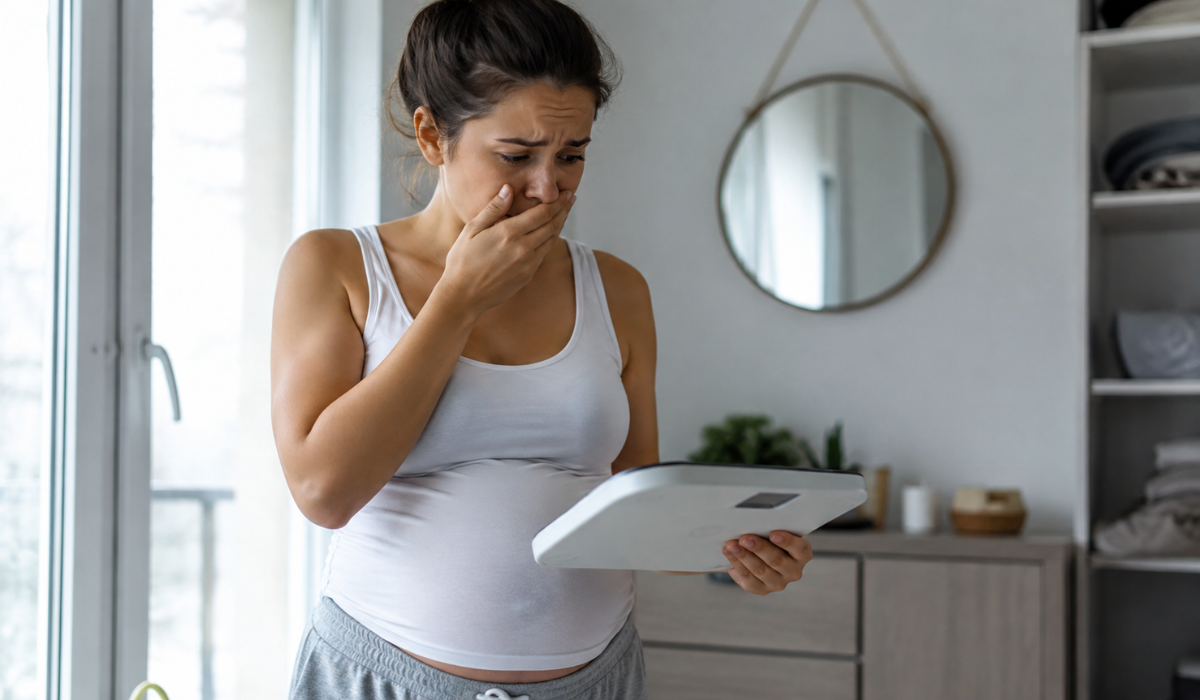
Pregnancy brings many physical changes, and one of the biggest surprises for some women is seeing the number on the scale go down instead of up. If you’re experiencing weight loss in 1st trimester, it’s natural to wonder whether it’s normal or if something is wrong.
The good news is that mild weight loss during early pregnancy is often common, especially if you’re dealing with morning sickness, nausea, vomiting, or food aversions. However, significant or ongoing weight loss may need medical attention.
In this guide, you’ll learn why weight loss can happen during the first trimester, when it’s considered normal, possible warning signs, and practical ways to stay healthy during early pregnancy.
Is Weight Loss in the 1st Trimester Normal?
Yes, weight loss in the first trimester can be completely normal for many pregnant women.
During the first 12 weeks of pregnancy, your baby is still very small and doesn’t require a significant increase in calories. At the same time, hormonal changes can affect your appetite, making it difficult to eat as usual.
Many women lose between 1 and 5 pounds (0.5–2.3 kg) during early pregnancy because of:
- Morning sickness
- Frequent nausea
- Vomiting
- Food aversions
- Increased sensitivity to smells
- Fatigue affecting appetite
For most healthy pregnancies, this temporary weight loss isn’t harmful and is often followed by healthy weight gain during the second trimester.
Common Causes of Weight Loss During Early Pregnancy
Several factors can contribute to weight loss during early pregnancy.
| Cause | How It Affects Weight |
|---|---|
| Morning sickness | Reduces appetite and causes vomiting |
| Food aversions | Makes many foods difficult to tolerate |
| Hormonal changes | Can temporarily decrease hunger |
| Increased sense of smell | Triggers nausea around certain foods |
| Dehydration | Temporary drop in body weight |
| Stress or anxiety | May reduce appetite |
Understanding the cause often helps explain why the scale moves in the opposite direction during the first trimester.
Morning Sickness and Weight Loss
Morning sickness is one of the most common reasons women experience weight loss in 1st trimester.
Despite its name, morning sickness can occur at any time of day. Symptoms often begin around week six and usually improve between weeks 12 and 16.
Common symptoms include:
- Nausea
- Vomiting
- Difficulty eating full meals
- Loss of appetite
- Sensitivity to smells
Repeated vomiting can reduce calorie intake and fluid levels, leading to temporary weight loss.
Can You Have a Healthy Pregnancy While Losing Weight?
If the weight loss is mild and your healthcare provider isn’t concerned, your pregnancy can still progress normally.
Your baby’s nutritional needs during the first trimester are relatively small. Your body also relies on stored nutrients while the placenta continues developing.
Most women begin gaining weight once nausea improves during the second trimester.
How Much Weight Loss Is Considered Normal?
Generally, losing a few pounds because of morning sickness is common. However, ongoing weight loss or rapid weight loss should always be discussed with your healthcare provider.
Factors that matter include:
- Your weight before pregnancy
- Your overall health
- Frequency of vomiting
- Ability to stay hydrated
- Nutritional intake
Every pregnancy is unique, so your provider will evaluate your situation based on your medical history.
When Weight Loss May Be a Warning Sign
Although mild weight loss is often harmless, there are situations where it may indicate a problem.
Contact your healthcare provider if you experience:
- Continuous vomiting throughout the day
- Inability to keep food or fluids down
- Signs of dehydration
- Rapid or ongoing weight loss
- Severe dizziness
- Dark urine
- Feeling faint
- Fever
- Severe abdominal pain
Persistent vomiting may indicate hyperemesis gravidarum, a more serious pregnancy condition that often requires medical treatment.
Hyperemesis Gravidarum: More Than Morning Sickness
Hyperemesis gravidarum is an extreme form of pregnancy-related nausea and vomiting.
Unlike normal morning sickness, it can cause:
- Significant weight loss
- Severe dehydration
- Nutrient deficiencies
- Frequent vomiting
- Hospitalization in some cases
Women with this condition may need IV fluids, medication, and close monitoring to protect both mother and baby.
Early treatment usually improves outcomes.
Weight Loss Without Morning Sickness
Some women notice first trimester weight loss without morning sickness.
Possible reasons include:
- Reduced appetite
- Food aversions
- Lifestyle changes
- Anxiety
- Digestive changes
- Increased metabolism
If you’re losing weight without nausea or vomiting, it’s still worth mentioning during your prenatal appointment.
Is Weight Loss at 8, 10, or 12 Weeks Pregnant Normal?
Many women search for questions like:
- Weight loss at 8 weeks pregnant
- Weight loss at 10 weeks pregnant
- Weight loss at 12 weeks pregnant
The answer often depends on your symptoms.
At these stages, mild weight loss caused by nausea or vomiting is still fairly common.
However, if weight continues dropping after symptoms improve, your healthcare provider may recommend additional evaluation.
How to Maintain Healthy Nutrition During the First Trimester
Even if eating feels difficult, small changes can help.
Try these practical tips:
Eat Small, Frequent Meals
Instead of three large meals, eat every two to three hours.
Small portions are often easier to tolerate.
Stay Hydrated
Drink water throughout the day.
If plain water worsens nausea, try:
- Lemon water
- Ice chips
- Clear broths
- Electrolyte drinks recommended by your provider
Choose Easy-to-Digest Foods
Many women tolerate bland foods better.
Examples include:
- Toast
- Rice
- Crackers
- Bananas
- Applesauce
- Oatmeal
- Plain potatoes
Include Protein
Protein can help maintain energy and reduce hunger.
Good choices include:
- Greek yogurt
- Eggs
- Cottage cheese
- Peanut butter
- Chicken
- Beans
Continue Taking Prenatal Vitamins
Prenatal vitamins help provide essential nutrients, even when eating becomes difficult.
If vitamins worsen nausea, ask your healthcare provider whether taking them at night or with food may help.
Can Weight Loss Affect the Baby?
Temporary, mild weight loss during the first trimester usually doesn’t harm your baby.
Your body naturally prioritizes fetal development during early pregnancy.
The bigger concern is prolonged weight loss combined with dehydration or poor nutrition.
This is why healthcare providers monitor weight throughout pregnancy rather than focusing on a single measurement.
Healthy Weight Gain Later in Pregnancy
Many women who lose weight early go on to gain weight normally during the second and third trimesters.
Once nausea improves, appetite usually returns.
Rather than trying to “catch up” quickly, focus on:
- Balanced meals
- Protein-rich foods
- Fruits and vegetables
- Whole grains
- Healthy fats
- Adequate hydration
Healthy, gradual weight gain is generally preferred over rapid increases.
When Should You Contact Your Healthcare Provider?
Arrange medical advice if you:
- Lose weight continuously over several weeks
- Cannot keep fluids down
- Vomit multiple times daily
- Notice signs of dehydration
- Experience severe weakness
- Have persistent abdominal pain
- Feel concerned about your pregnancy
Never hesitate to discuss changes in weight during prenatal appointments. Your provider can assess whether your symptoms are expected or require treatment.
Frequently Asked Questions
Is it normal to lose weight in the first trimester?
Yes. Many women lose a small amount of weight because of morning sickness, nausea, vomiting, or reduced appetite. Mild weight loss is often temporary.
How much weight loss is normal during early pregnancy?
Losing around 1–5 pounds may occur for some women during the first trimester, especially if morning sickness is severe. Larger or ongoing weight loss should be discussed with a healthcare provider.
Can morning sickness cause weight loss?
Yes. Morning sickness is one of the most common causes of weight loss during early pregnancy because it can reduce food intake and increase vomiting.
Should I worry if I’m losing weight at 8 weeks pregnant?
Not necessarily. Mild weight loss at 8 weeks can be normal if it’s related to nausea or vomiting. Contact your healthcare provider if you’re unable to eat, stay hydrated, or continue losing weight.
Is weight loss at 10 or 12 weeks pregnant common?
It can be. Some women continue experiencing morning sickness through week 12. If symptoms are severe or weight loss continues beyond this stage, medical advice is recommended.
Can I have a healthy baby if I lose weight in the first trimester?
Yes. Mild, temporary weight loss usually doesn’t affect the baby’s development. The priority is maintaining hydration, adequate nutrition, and regular prenatal care.
When should I call my doctor?
Seek medical advice if you have severe vomiting, signs of dehydration, rapid or ongoing weight loss, fever, severe abdominal pain, or difficulty keeping food and fluids down.
Key Takeaways
Experiencing weight loss in 1st trimester can feel worrying, but in many pregnancies it’s a normal response to hormonal changes, morning sickness, and temporary appetite loss.
For most women, mild weight loss improves once the second trimester begins and appetite returns.
The most important thing is staying hydrated, eating what you can tolerate, attending regular prenatal visits, and seeking medical advice if weight loss becomes severe or is accompanied by dehydration or persistent vomiting.
Every pregnancy is different, so your healthcare provider is the best person to determine what’s normal for your individual situation.

Dr. Tania Adib is a Board Certified OB/GYN based in the northern suburbs of Chicago. She earned her undergraduate degree from the University of Notre Dame and her medical degree from Georgetown University in Washington, D.C., before completing her residency in Obstetrics and Gynecology at Magee-Womens Hospital, University of Pittsburgh Medical Center. Her clinical interests include full-spectrum obstetrics and gynecology, from the first period through the menopausal years, contraception, and abnormal bleeding.