

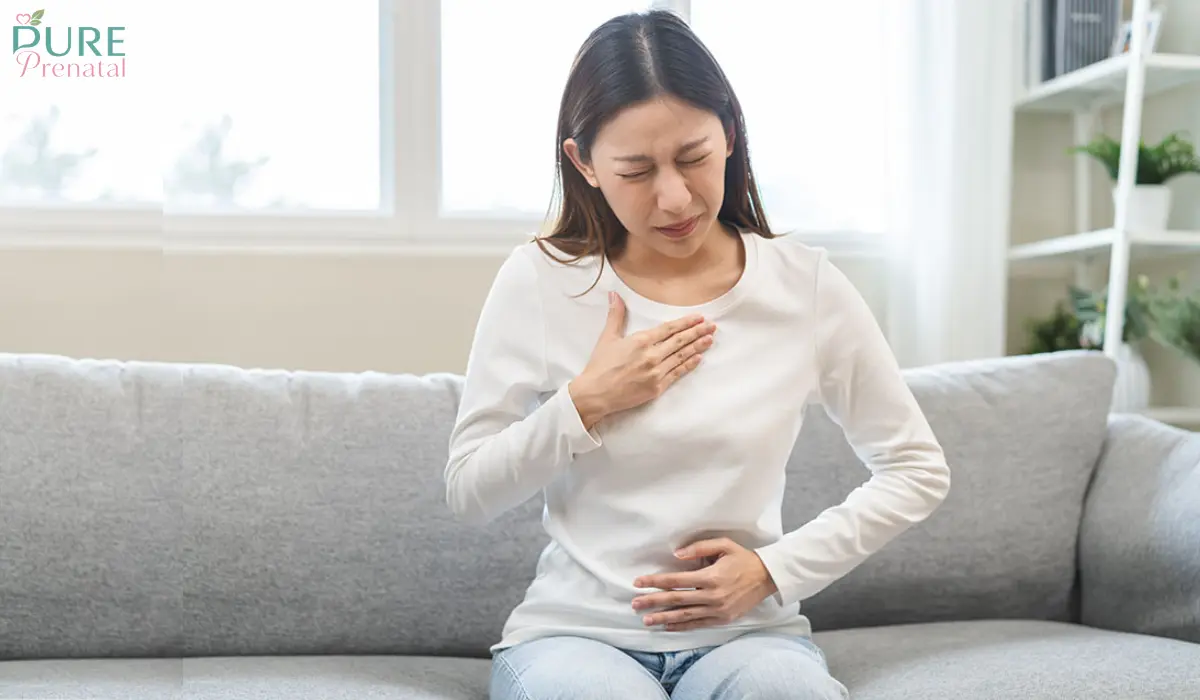
You eat dinner, everything’s fine, and then twenty minutes later — boom — that burning feeling creeps up behind your breastbone like it owns the place. Sound familiar? If you’re pregnant and dealing with this, welcome to one of the most common (and most annoying) pregnancy symptoms out there. Heartburn hits a huge chunk of expecting mums, and for a lot of women it only gets worse as the bump grows.
Here’s the thing though — you don’t have to just white-knuckle it through nine months hoping antacids save the day. There’s actually a lot you can do naturally, starting tonight if you want. Let’s get into why this happens, ten remedies that genuinely work, and the questions everyone ends up googling at 2am anyway.
Home Remedies for Heartburn During Pregnancy
If you’re searching for home remedies for heartburn during pregnancy, you’re not alone. Many mums-to-be find that simple lifestyle changes can make a noticeable difference before they need medication. Eating smaller meals, avoiding foods that trigger your symptoms, staying upright after eating, drinking ginger tea or coconut water, and sleeping with your upper body slightly raised are all gentle ways to ease the burning sensation. These home remedies are safe for most healthy pregnancies and can often help keep heartburn under control. If your symptoms become severe or don’t improve, it’s always best to speak with your doctor or midwife about pregnancy-safe treatment options.
Why Pregnancy Brings On Heartburn in the First Place
First up: hormones. Progesterone is doing its job keeping your uterus relaxed, but it’s also a bit of a loose cannon — it relaxes the valve between your stomach and esophagus too (that’s the lower esophageal sphincter, if you want the technical name). When that valve gets lazy, acid sneaks back up. Hello, burn.
Second: there’s just… a baby in there now. Taking up space. As your uterus grows, it literally crowds your stomach and pushes acid upward more easily. Which is exactly why heartburn tends to get worse, not better, the closer you get to your due date.
None of this means anything’s wrong with you. It’s just your body doing pregnancy things. Annoying, sure. Dangerous? Not really. But let’s fix it anyway.
1. Eat Less, More Often
I know, I know — “eat smaller meals” sounds like the advice equivalent of “have you tried yoga.” But it genuinely works here. A stomach that’s stuffed full puts more pressure on that already-tired valve, so instead of three big meals, try splitting things into five or six smaller ones through the day.
You don’t have to redo your whole life for this. Just trim your usual plate down a bit and keep a snack nearby — a banana, some yogurt, a handful of almonds. Give it a few days and you’ll probably notice the difference.
2. Figure Out Your Personal Trigger Foods
Everyone’s body reacts a little differently, but the usual suspects show up again and again:
- Spicy food
- Fried, greasy stuff
- Citrus fruits and juices
- Tomato sauce, ketchup, anything tomato-heavy
- Chocolate (I’m sorry)
- Fizzy drinks
- Coffee and other caffeine
Try keeping a quick note of what you ate before a bad flare-up — even just for a week. Patterns show up faster than you’d think, and once you know your triggers, dodging them gets a lot easier.
3. Stay Upright After Eating
Please don’t lie down right after a meal, tempting as it is. Lying flat basically hands acid a free pass to travel upward. Try to stay sitting, standing, or even just pottering around for about an hour after eating. If you really need to lie down, prop yourself up instead of going fully horizontal.
Sounds too easy to actually work, but it’s one of the most reliable fixes there is.
4. Prop Up the Head of Your Bed
Nighttime heartburn has a nasty habit of getting worse as pregnancy goes on, especially in the third trimester. Raising the head of your bed six to eight inches — with a wedge pillow or blocks under the frame — lets gravity help you out while you sleep.
Heads up: just stacking regular pillows under your neck usually doesn’t cut it, and can actually make things worse by bending you at the waist. You want your whole upper body on an incline, not just your head.
5. Ginger, But Don’t Go Overboard
Ginger’s been the go-to stomach-settler for basically forever, and it’s considered safe in normal food amounts during pregnancy. A weak cup of ginger tea, a few slices steeped in warm water, or a small piece of crystallized ginger can take the edge off.
Just don’t go wild with it — more isn’t better here — and mention it to your doctor if you’re already on other supplements, just to double-check.
6. Coconut Water for a Gentle Reset
A lot of women swear by plain coconut water when heartburn strikes, probably because it’s naturally alkaline and easy on the stomach. Bonus: it keeps you hydrated without anything acidic or fizzy working against you. Go for the unsweetened kind.
7. Chew Gum After You Eat
This one sounds random, but stick with me. Chewing gets your saliva going, and saliva helps neutralize stomach acid while making you swallow more, which pushes acid back down where it belongs. Grab a sugar-free gum and chew for twenty or thirty minutes after meals — it actually helps more than you’d expect.
8. Ditch the Tight Clothes
Anything squeezing your middle — tight waistbands, fitted jeans, snug leggings — is adding pressure right where you don’t need it. Loose, breathable maternity clothes aren’t just comfier, they can genuinely cut down how often heartburn shows up.
9. Slow Down When You Eat
Wolfing down your food means swallowing extra air and overfilling your stomach before your brain even registers you’re full — both of which make reflux worse. Slow down, chew properly, and actually pay attention to when you’re satisfied instead of stuffed. Small change, real difference.
10. Watch When You’re Drinking Water
Staying hydrated is important, obviously, but chugging a big glass of water mid-meal can stretch your stomach and add pressure at the worst possible time. Spread your water out between meals instead, and if you do sip while eating, keep it small.
When It’s Worth Calling Your Doctor
For most women, this is uncomfortable but not serious, and it tends to ease up with these kinds of changes. Still, give your doctor a call if you notice:
- Heartburn that just won’t budge no matter what you try
- Trouble swallowing
- Losing weight without trying to
- Chest pain that feels severe or just off
- Symptoms bad enough to mess with your eating or sleep regularly
Your doctor can point you toward pregnancy-safe options — including certain antacids — if the natural route isn’t cutting it alone.
Questions People Actually Ask
Does heartburn mean something’s wrong with my pregnancy?
Nope, almost always not. It’s really just hormones and a growing baby doing their thing. That said, if it’s severe, constant, or comes with other worrying symptoms, definitely loop in your doctor.
Which trimester is the worst for heartburn?
3rd trimester usually takes the crown, since that’s when your uterus is biggest and pressing hardest on your stomach. Some women get hit early too, thanks to hormones alone.
Does drinking milk actually help?
Depends who you ask, honestly. Some women find it soothing since it coats the stomach for a bit; others say it triggers more acid shortly after. Try a small glass and see how your body reacts — don’t assume it’ll work the same for you as it did for your friend.
Any foods that actually help prevent it?
Yep — oatmeal, bananas, melon, leafy greens, and lean proteins tend to sit a lot easier on the stomach than fried, spicy, or acidic foods.
Can I just take antacids?
Some are fine during pregnancy, some aren’t, and it depends on your situation. Always check with your doctor or midwife first, even for over-the-counter stuff.
Is it true bad heartburn means the baby will have loads of hair?
t’s an old wives’ tale that refuses to die. A couple of small studies found a loose connection, but it’s nowhere near proven — don’t read too much into it. Heartburn’s about hormones and pressure, not hair.
Will this go away after I give birth?
For most women, yes, and usually pretty quickly. Once your hormones settle and there’s no more baby pressing on your stomach, heartburn tends to fade fast.

Dr. Tania Adib is a Board Certified OB/GYN based in the northern suburbs of Chicago. She earned her undergraduate degree from the University of Notre Dame and her medical degree from Georgetown University in Washington, D.C., before completing her residency in Obstetrics and Gynecology at Magee-Womens Hospital, University of Pittsburgh Medical Center. Her clinical interests include full-spectrum obstetrics and gynecology, from the first period through the menopausal years, contraception, and abnormal bleeding.